






When Should You Choose a Ladder Type Cable Tray for Industrial Cable Routing?
Release time: 2026-09-27
Table of Contents
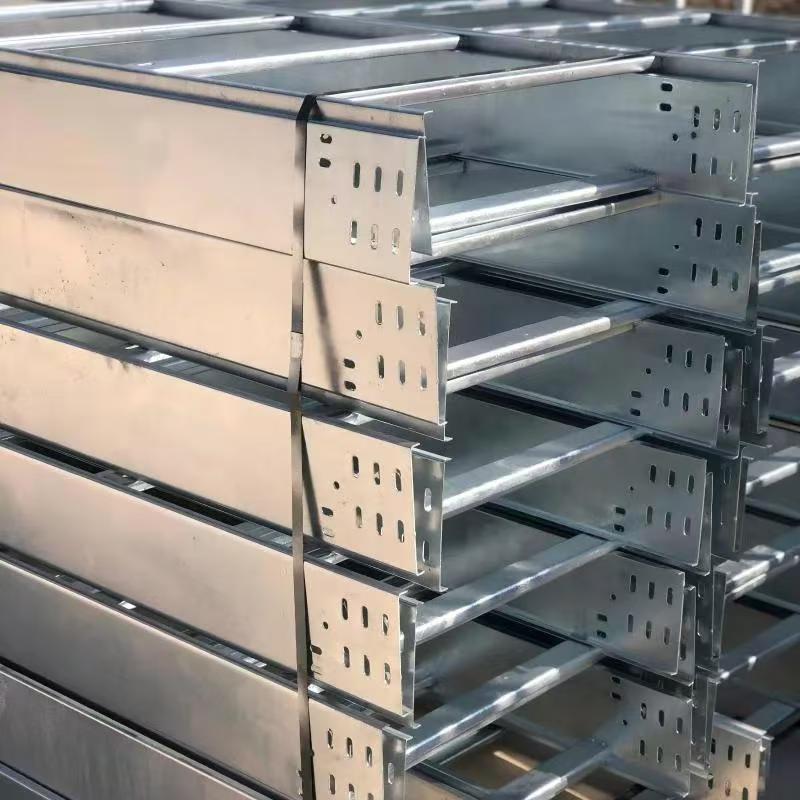
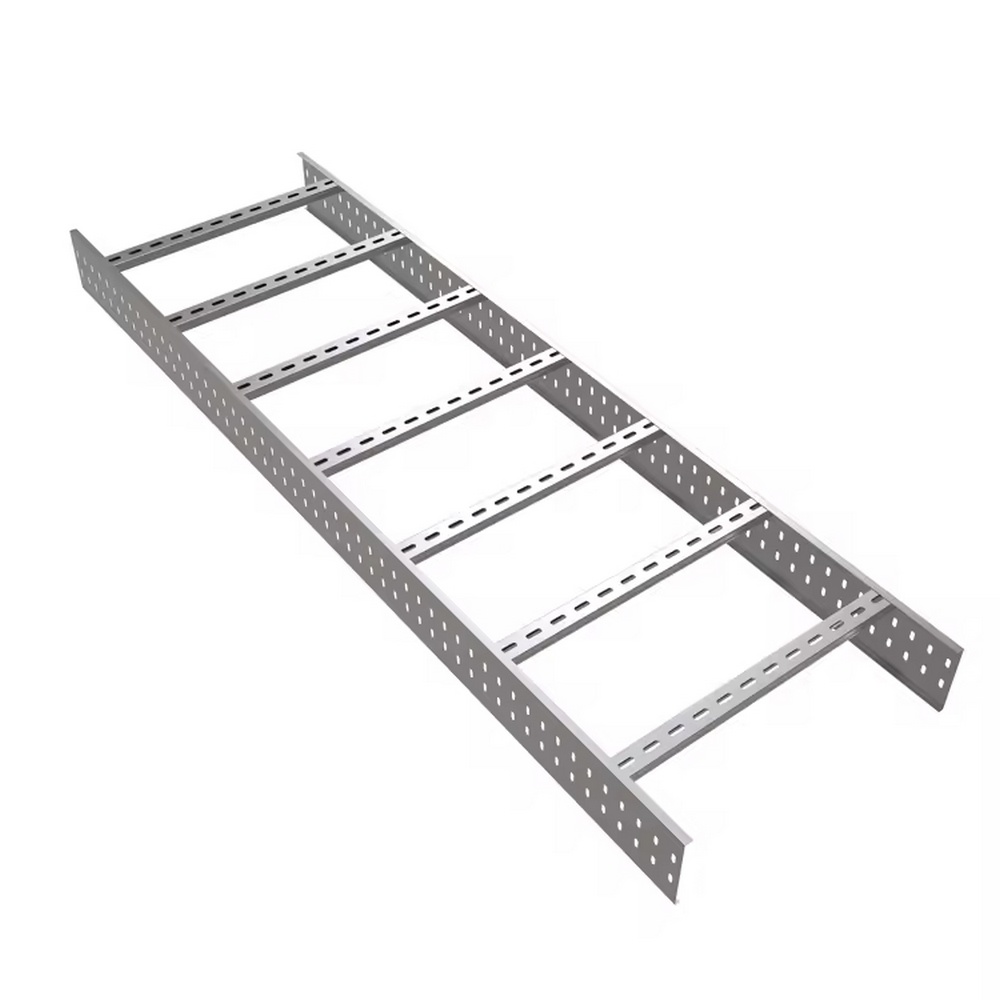
Choosing the right cable tray is not just about finding something that can carry cables from one point to another. The cable weight, route length, installation environment, ventilation needs, and future expansion plans can all affect the final choice. For industrial facilities and large electrical projects, a Ladder Type Cable Tray can be a practical solution when cable runs are heavy, long, or require easy access for installation and maintenance. Its open structure uses two side rails connected by horizontal rungs, creating a strong and accessible pathway for power cables. Compared with enclosed cable management options, this design also leaves more space around the cables for natural airflow. The key question, however, is not whether ladder tray is widely used, but whether its structural and installation characteristics actually match the requirements of your project.
Why Is Ladder Type Cable Tray Suitable for Heavy Cable Runs?
One of the biggest reasons to consider a Ladder Type Cable Tray is its suitability for demanding cable routes. The side rails provide the main structural support, while the rungs create a convenient framework for positioning and securing cables. This configuration works particularly well for large power cables, multiple cable runs, and installations where cable weight needs to be carefully managed. However, tray selection should not be based on a general load rating alone. The total cable weight, tray width, support span, and spacing between supports all need to be considered together. A wider tray is not automatically a stronger tray, and a heavy-duty design may not be necessary for every application. Taking these factors into account at the planning stage helps create a cable routing system that is both reliable and practical to install.
How Does the Open Structure Improve Cable Ventilation?
Cable temperature is an important consideration in power distribution systems. When cables operate under load, they generate heat, and the surrounding installation conditions can affect how effectively that heat is released. The open structure of a Ladder Cable Tray allows air to circulate around the cables instead of enclosing them within a continuous solid base. This can support natural ventilation and make it easier for installers to keep cables properly arranged. The open design also improves visibility, which is useful when technicians need to inspect cable routes or identify individual cables during maintenance. Of course, a cable tray alone does not determine cable operating temperature. Cable size, current rating, spacing, ambient temperature, and installation conditions still need to be evaluated as part of the overall electrical design.
What Should You Consider When Selecting a Ladder Cable Tray?
Selecting the right tray requires more than choosing a standard width and length. Several practical factors should be checked before placing an order:
Cable load and support span: Calculate the expected cable weight and consider the distance between tray supports.
Rung spacing: Make sure the rung configuration provides suitable support for the cable type and installation method.
Material and surface finish: Galvanized steel, stainless steel, aluminum, and other options may be suitable for different environments.
Cable type and application: Large power cables may benefit from the open ladder structure, while smaller control or instrumentation cables may require more continuous support.
Future expansion: Leave sufficient capacity for additional cables if the facility is likely to expand.
For example, a Perforated Cable Tray may be more appropriate when smaller cables require more continuous bottom support. The best solution depends on the actual cable arrangement rather than simply choosing the most heavy-duty product available.
Where Does Ladder Type Cable Tray Work Best?
A Ladder Type Cable Tray is particularly useful in projects where cable weight, ventilation, accessibility, and routing distance are important considerations at the same time. Typical applications include industrial plants, manufacturing facilities, power distribution systems, utility projects, and large commercial buildings. These environments often contain multiple power circuits running over relatively long distances, making cable organization and maintenance a practical concern.
Another advantage becomes clear after installation. Because the cables remain visible and accessible, technicians can inspect existing routes, secure cables, replace damaged sections, or add new cables without working around a completely enclosed pathway. For facilities that expect regular maintenance or future electrical expansion, this accessibility can save time and make the overall cable management system easier to work with.
How Can the Right Ladder Type Cable Tray Improve a Project?
A well-designed Heavy Duty Cable Tray system can contribute to more than simple cable organization. It can provide dependable support for heavy power cables, encourage airflow around cable runs, and make inspection and maintenance more convenient. The real benefit comes from matching the tray design to the project rather than treating every installation in the same way.
For manufacturers, contractors, and electrical system integrators, factors such as cable load, support span, tray dimensions, material, surface treatment, and future capacity should all be considered before final selection. At ZZ Cable Tray, different cable management requirements can be addressed through suitable tray structures and configurations for industrial and electrical projects. Choosing the right design at the planning stage can help create a cleaner, more accessible, and more adaptable cable routing system.
FAQ
Is Ladder Type Cable Tray suitable for heavy power cables?
Yes. Its side-rail-and-rung structure is commonly suitable for heavy power cable installations, especially when the project requires good accessibility and ventilation.
What is the main advantage of Ladder Type Cable Tray?
Its open structure provides a useful combination of cable support, ventilation, accessibility, and convenient installation for many industrial applications.
How do I choose the right Ladder Cable Tray?
Consider the cable weight, tray width, support span, rung spacing, installation environment, material, and potential future cable expansion before making a selection.
Is Ladder Type Cable Tray suitable for outdoor applications?
It can be used outdoors when the material and surface finish are properly selected for the local environmental conditions. Corrosion, moisture, temperature, and exposure should all be considered during specification.