






Cable Tray Solutions for Industrial and Commercial Projects in Southeast Asia
Release time: 2026-11-16
Reliable cable management is essential for industrial facilities, commercial buildings, infrastructure developments, and power distribution projects across Southeast Asia. As manufacturing, construction, renewable energy, and data center industries continue to develop, the demand for durable and well-designed cable tray systems is increasing.
Table of Contents
Choosing the right cable tray involves more than selecting suitable dimensions. Environmental conditions, cable loads, installation requirements, corrosion resistance, and long-term maintenance all influence system performance. For contractors, electrical engineers, distributors, and project procurement teams, working with a reliable cable tray manufacturer is important for ensuring product quality and project efficiency.
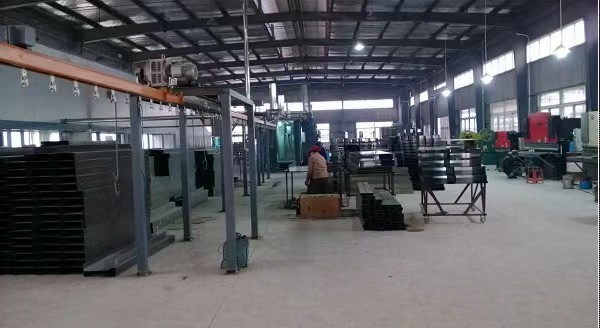
As a professional cable tray supplier, Anhui Zhenzhong Electrical provides cable management solutions for different industrial and commercial applications. From perforated cable trays and cable ladders to galvanized and stainless steel systems, we support customers with product selection, customized specifications, and project-based supply solutions for Southeast Asian markets.
1. Why Are Reliable Cable Tray Systems Important for Southeast Asia Projects?
Southeast Asia has diverse industrial and construction environments, including manufacturing facilities, commercial buildings, power plants, transportation infrastructure, and data centers. These projects require organized cable routing systems to support electrical distribution, equipment connections, and communication networks.
However, the regional climate creates additional considerations for cable tray selection.
High Temperature and Humidity
Many Southeast Asian countries experience warm temperatures and high humidity throughout the year. Prolonged exposure to moisture may accelerate corrosion, especially when metal cable trays are installed outdoors or in poorly ventilated industrial environments. Appropriate materials and surface treatments can help improve service life.
Coastal and Marine Environments
Industrial facilities near coastal areas may be exposed to salt-laden air, moisture, and corrosive conditions. Hot-dip galvanized steel, suitable stainless steel grades, aluminum, or FRP cable trays may be considered depending on the actual exposure and project requirements.
Heavy Rainfall and Outdoor Installation
Outdoor electrical installations must account for rainfall, water accumulation, and environmental exposure. Cable tray designs should provide appropriate drainage, mechanical support, and corrosion protection.
Different Industrial Applications
Manufacturing plants, warehouses, solar power stations, and data centers have different cable routing requirements. Tray width, side height, loading capacity, ventilation, and installation accessories should be selected according to the application.
A suitable cable tray system helps organize electrical cables, simplify maintenance, support future expansion, and improve the overall reliability of electrical infrastructure.
2. What Types of Cable Tray Systems Are Available for Southeast Asia Projects?
Different cable tray structures are designed to meet different installation and cable management requirements. Understanding their characteristics helps buyers select the right products for their projects.
Perforated Cable Tray
Perforated cable trays feature openings along the base, allowing ventilation and providing support for electrical cables. They are commonly used in industrial facilities, commercial buildings, and general electrical installations.
Their structure provides a balance between cable support, ventilation, and installation convenience. They are suitable for many applications involving power, control, and communication cables.
Cable Ladder
Cable ladder systems consist of two side rails connected by cross rungs. This open structure provides strong mechanical support and allows good airflow around installed cables.
Cable ladders are commonly considered for heavy-duty industrial applications, power distribution systems, and installations involving large cable bundles or longer support spans.
Wire Mesh Cable Tray
Wire mesh cable trays feature an open basket-style structure that provides ventilation and convenient cable access. They are often used in data centers, commercial buildings, communication systems, and installations requiring flexible cable routing.
Their lightweight structure can also simplify handling and installation, depending on the project requirements.
Solid Bottom Cable Tray
Solid bottom cable trays provide a continuous base for supporting cables. They can help reduce direct exposure to falling debris and provide additional cable support in selected installations.
However, ventilation and heat dissipation should be considered when choosing this type, particularly for applications involving power cables.
Stainless Steel Cable Tray
Stainless steel cable trays are suitable for applications requiring enhanced corrosion resistance and durability. Depending on the selected grade, they may be considered for coastal facilities, food processing plants, and certain chemical environments.
For demanding conditions, buyers should evaluate the stainless steel grade, chloride exposure, cleaning requirements, and other operating conditions before ordering.
Selecting the right cable tray structure depends on cable type, installation environment, mechanical loading, ventilation requirements, and maintenance access.
3. How to Choose the Right Cable Tray Material for Tropical and Coastal Environments?
Material selection is one of the most important considerations when specifying cable tray systems for Southeast Asia. High humidity, frequent rainfall, coastal exposure, and industrial operating conditions can affect the durability of metal cable management products.
Different materials and surface treatments provide different levels of corrosion protection, mechanical performance, and cost efficiency.
Hot-Dip Galvanized Steel Cable Tray
Hot-dip galvanized cable trays feature a zinc coating that provides protection against corrosion. They are commonly considered for outdoor installations, industrial facilities, and infrastructure projects where exposure to moisture is a concern.
The coating specification and thickness should be confirmed according to the applicable standard and environmental conditions.
Pre-Galvanized Steel Cable Tray
Pre-galvanized cable trays are manufactured from steel sheets that have been galvanized before fabrication. They are often suitable for indoor electrical installations and general commercial applications where environmental exposure is relatively controlled.
Stainless Steel Cable Tray
Stainless steel cable trays offer corrosion resistance for demanding environments. Grade 304 may be considered for many general applications, while grade 316 typically provides better resistance to chloride-related corrosion.
For coastal and marine installations, buyers should evaluate the actual salt exposure and project requirements before choosing the appropriate grade.
Aluminum Cable Tray
Aluminum cable trays offer a lightweight alternative to steel systems and provide natural corrosion resistance through their oxide layer. They may be suitable for projects where reduced structural weight and corrosion performance are important.
FRP Cable Tray
Fiber-reinforced plastic cable trays are non-metallic solutions that may be appropriate for selected corrosive or electrically non-conductive environments. Their mechanical strength, temperature resistance, fire performance, and UV resistance should be verified before installation.
There is no single material suitable for every Southeast Asian project. Buyers should compare material performance, expected service life, maintenance costs, and installation conditions before making a purchasing decision.
4. Where Are Cable Tray Systems Used in Southeast Asia?
Cable tray systems are widely used in industrial, commercial, and infrastructure projects. Different industries require different cable management configurations based on electrical loads, installation environments, and operational requirements.
Manufacturing Plants and Industrial Facilities
Industrial factories require organized routing for power cables, control cables, and communication lines. Heavy-duty cable ladders and perforated cable trays may be selected according to cable loads, equipment layouts, and maintenance requirements.
In automotive, electronics, machinery, and general manufacturing facilities, cable tray systems help maintain organized electrical distribution networks and simplify future equipment modifications.
Data Centers and IT Infrastructure
Data centers require well-organized power and communication cable routing. Wire mesh trays and other suitable cable management systems can help organize cable pathways, improve accessibility, and support future expansion.
Cable routing should also consider separation requirements, thermal management, fire safety, and the facility’s electrical design.
Solar Power Plants and Renewable Energy Projects
Solar installations involve DC and AC cable routing between solar arrays, combiner boxes, inverters, and electrical distribution equipment.
Outdoor cable tray systems should be selected according to UV exposure, rainfall, corrosion conditions, mechanical loads, and installation methods. Proper support structures and suitable surface protection are particularly important for long-term outdoor use.
Oil, Gas, and Chemical Facilities
Oil, gas, and chemical projects may involve moisture, chemicals, temperature variations, and demanding installation conditions.
Cable tray materials, support structures, and protective finishes must be selected according to the specific site environment and applicable engineering requirements.
Commercial Buildings and Infrastructure
Airports, shopping malls, office buildings, hospitals, and transportation facilities require organized cable distribution systems. Cable trays can support power, lighting, and communication cable routes when designed in accordance with project specifications.
5. Cable Tray Solutions for Different Southeast Asian Countries
Although Southeast Asian countries share some climatic characteristics, their industrial structures, construction environments, and project specifications differ. Cable tray selection should therefore consider the specific requirements of each market.
Malaysia
Malaysia has a diverse industrial and commercial construction market, including manufacturing facilities, infrastructure developments, and data center projects.
Cable tray selection should consider project specifications, installation environments, corrosion protection, and applicable electrical installation requirements. Hot-dip galvanized and stainless steel cable trays may be considered for applications requiring different levels of corrosion resistance.
Indonesia
Industrial facilities, energy infrastructure, and coastal developments in Indonesia may require different cable management solutions.
Buyers should evaluate humidity, rainfall, exposure to coastal conditions, and cable loading requirements when choosing suitable cable tray materials and configurations. Outdoor installations require particular attention to corrosion protection and support design.
Thailand
Thailand’s manufacturing sector includes automotive, electronics, food processing, and general industrial facilities.
Cable tray systems should be selected according to equipment layouts, power distribution requirements, cable quantities, and factory operating conditions. Perforated cable trays and cable ladders are commonly considered for different industrial cable routing applications.
Vietnam
Manufacturing facilities and industrial parks in Vietnam require reliable cable routing systems for production equipment, power distribution, and communication infrastructure.
Cable tray dimensions, loading capacity, material finishes, and installation accessories should be matched to project requirements. For industrial facilities, product durability and ease of maintenance are also important considerations.
Singapore
Singapore’s commercial infrastructure and data center developments require well-organized electrical cable management.
Cable tray specifications should be checked against project engineering documents and applicable local standards. Material selection, installation quality, support spacing, and technical documentation are important factors during procurement.
Philippines
Power infrastructure, commercial buildings, and industrial developments in the Philippines may involve both indoor and outdoor cable installations.
Corrosion resistance, weather exposure, support design, and installation safety should be considered during product selection. For coastal projects, buyers should pay particular attention to material grades and protective coatings.
6. How to Select the Right Cable Tray for Your Project?
Selecting a cable tray system requires more than identifying the required width and material. Engineers and purchasing teams should consider cable configuration, mechanical load, installation environment, support spacing, and future expansion requirements.
The following factors can help determine suitable cable tray specifications.
1. Cable Quantity and Tray Width
The tray width should accommodate the number and diameter of cables while providing sufficient space for installation, cable separation, and future expansion where required.
2. Cable Tray Height and Depth
Tray side height affects cable containment and available installation space. The selected dimensions should match the cable arrangement and project design.
3. Material Thickness and Mechanical Strength
The required thickness depends on tray dimensions, support span, cable weight, installation orientation, and mechanical loading. Buyers should request load data rather than selecting thickness based on width alone.
4. Safe Working Load (SWL)
The safe working load indicates the load capacity declared for the cable tray system under specified test and installation conditions. Engineers should verify the manufacturer’s load tables, test configurations, and permitted support spans.
5. Support Spacing
Support spacing directly affects the mechanical performance of cable tray systems. Longer spans may require stronger trays or different support arrangements. The manufacturer’s tested load data and project engineering specifications should guide installation.
6. Accessories and Installation Configuration
Bends, horizontal tees, vertical tees, reducers, connectors, brackets, hangers, and covers should be compatible with the selected tray system.
Before requesting a quotation, buyers should prepare the following information:
- Cable tray type: perforated, ladder, wire mesh, or solid bottom.
- Material: steel, stainless steel, aluminum, or FRP.
- Surface finish: pre-galvanized, hot-dip galvanized, or powder coated.
- Width and side height.
- Material thickness.
- Required load capacity and support span.
- Accessories and installation configuration.
- Indoor or outdoor installation environment.
- Estimated order quantity and delivery destination.
Providing these details to a cable tray manufacturer helps reduce specification errors and makes it easier to obtain accurate quotations.
7. What Standards and Quality Requirements Should Cable Tray Buyers Consider?
Quality and compliance are essential when purchasing cable tray systems for international engineering projects. Buyers should verify that the selected products meet the technical requirements specified by the project consultant, electrical engineer, or local authority.
IEC 61537:2023 is an important international reference for cable tray and cable ladder systems. It specifies relevant product requirements and testing methods, including mechanical performance and other system characteristics.
For Southeast Asian projects, local specifications should also be reviewed. Malaysia and Singapore, for example, have engineering and infrastructure specifications that address cable tray materials, dimensions, supports, and installation requirements.
Before placing an order, buyers should check the following:
- Product material and grade documentation.
- Steel thickness and dimensional tolerances.
- Zinc coating thickness or other surface treatment specifications.
- Mechanical loading and safe working load test reports.
- Corrosion resistance documentation where applicable.
- Product drawings and technical specifications.
- Inspection reports and quality certificates.
- Packaging and shipping documentation.
A reliable cable tray supplier should be able to provide clear technical documentation and product information to support engineering review, procurement evaluation, and project acceptance.
8. Why Choose Anhui Zhenzhong Electrical as Your Cable Tray Supplier for Southeast Asia?
Choosing a suitable cable tray supplier is an important part of successful electrical and infrastructure projects. Buyers need a manufacturer that understands product specifications, provides consistent quality, and can support project-specific requirements.
Anhui Zhenzhong Electrical provides cable tray solutions for industrial, commercial, and infrastructure applications, helping customers identify suitable cable management products for different operating environments.
Multiple Cable Tray Product Options
We offer [actual product types], allowing customers to select suitable cable management systems for different electrical installation requirements.
Customized Manufacturing
Product dimensions, materials, thicknesses, surface treatments, and accessories can be customized according to confirmed project specifications and manufacturing capabilities.
Quality Control
Our quality control process includes [actual inspection procedures], helping verify product dimensions, material specifications, surface finish, and manufacturing consistency.
Technical Product Support
We help customers review cable tray types, dimensions, materials, accessories, and other technical details to identify suitable solutions for their projects.
International Project Supply
We support international procurement requirements with product documentation, export packaging, and shipping coordination according to confirmed orders and destination requirements.
OEM and Bulk Order Support
For qualified distributors, contractors, and project buyers, we can discuss OEM requirements, bulk production, and customized product specifications.
Whether you are an electrical contractor, engineering company, project developer, or cable tray distributor, our team can discuss your project requirements and recommend suitable product options.
9. Frequently Asked Questions About Cable Trays in Southeast Asia
Q1: Which cable tray material is best for Southeast Asia’s tropical climate?
There is no single material suitable for all tropical environments. Hot-dip galvanized steel, stainless steel, aluminum, and FRP cable trays may be considered depending on humidity, coastal exposure, chemical conditions, mechanical loads, and project specifications.
Q2: Are hot-dip galvanized cable trays suitable for outdoor installations?
Hot-dip galvanized cable trays are commonly considered for outdoor installations because their zinc coating provides corrosion protection. However, the required coating specification should be evaluated according to actual environmental exposure and project requirements.
Q3: What is the difference between cable trays and cable ladders?
Cable trays generally feature a base that supports cables, while cable ladders use side rails and cross rungs. Cable ladders are often considered for heavier cable runs and longer spans, while tray designs provide different levels of cable support and protection depending on their structure.
Q4: How do I calculate the required cable tray width?
Cable tray width depends on cable quantity, cable outside diameters, spacing requirements, cable arrangement, and future expansion allowances. Engineers should calculate the usable tray area based on the project cable schedule and applicable installation requirements.
Q5: What factors affect cable tray pricing in Southeast Asia?
Pricing is influenced by material, thickness, width, side height, surface treatment, product type, accessories, order quantity, packaging, and shipping destination. Customized specifications and project requirements can also affect the final quotation.
Q6: Can Chinese cable tray manufacturers supply products to Southeast Asia?
Yes. Chinese manufacturers can supply cable tray systems to Southeast Asian buyers, subject to product availability, export arrangements, shipping requirements, and applicable project specifications. Buyers should verify technical documentation, manufacturing capabilities, and delivery terms before ordering.
Anhui Zhenzhong Electrical provides cable tray solutions for different industrial, commercial, and infrastructure applications. From product selection and customized manufacturing to technical documentation and international delivery, our team is ready to discuss your requirements.
Contact us today to request a quotation and find suitable cable tray solutions for your Southeast Asian market.
Send us your product specifications, estimated quantity, or project drawings to receive a tailored quotation.