






How Does Cable Tray Material Affect Corrosion Resistance and Service Life?
Release time: 2026-10-25
Table of Contents
When planning a cable management system, the tray material is more than a structural choice. It directly affects how well the system performs in different environments, how often maintenance may be required, and how long the installation can remain reliable. Moisture, salt, chemicals, temperature changes, and outdoor exposure can gradually damage unprotected metal surfaces, making corrosion resistance an important part of cable tray selection.
For industrial and commercial projects, choosing the right cable tray material at the beginning can help avoid premature replacement and unnecessary maintenance. Galvanized steel, hot-dip galvanized steel, and stainless steel each provide different levels of protection and are suited to different operating conditions. Understanding these differences allows engineers, contractors, and buyers to match the tray with the actual environment instead of choosing only according to initial cost.
How Does the Installation Environment Affect Cable Tray Corrosion?
The surrounding environment is one of the most important factors affecting cable tray corrosion resistance. Indoor installations in dry and relatively clean areas usually place less stress on metal surfaces, while outdoor and industrial environments can expose trays to rain, humidity, dust, chemicals, and temperature fluctuations. Coastal projects may face additional salt exposure, while chemical plants can involve corrosive gases or substances that accelerate surface deterioration.
This means there is no single cable tray material that is ideal for every project. A material that performs well in a dry warehouse may not provide the same long-term protection in a coastal or chemically aggressive location. Before selecting a tray, project teams should consider moisture levels, airborne contaminants, installation location, and expected service conditions. Matching the material to the environment is a practical way to improve durability and reduce future maintenance requirements.
How Does Galvanized Steel Provide Corrosion Protection?
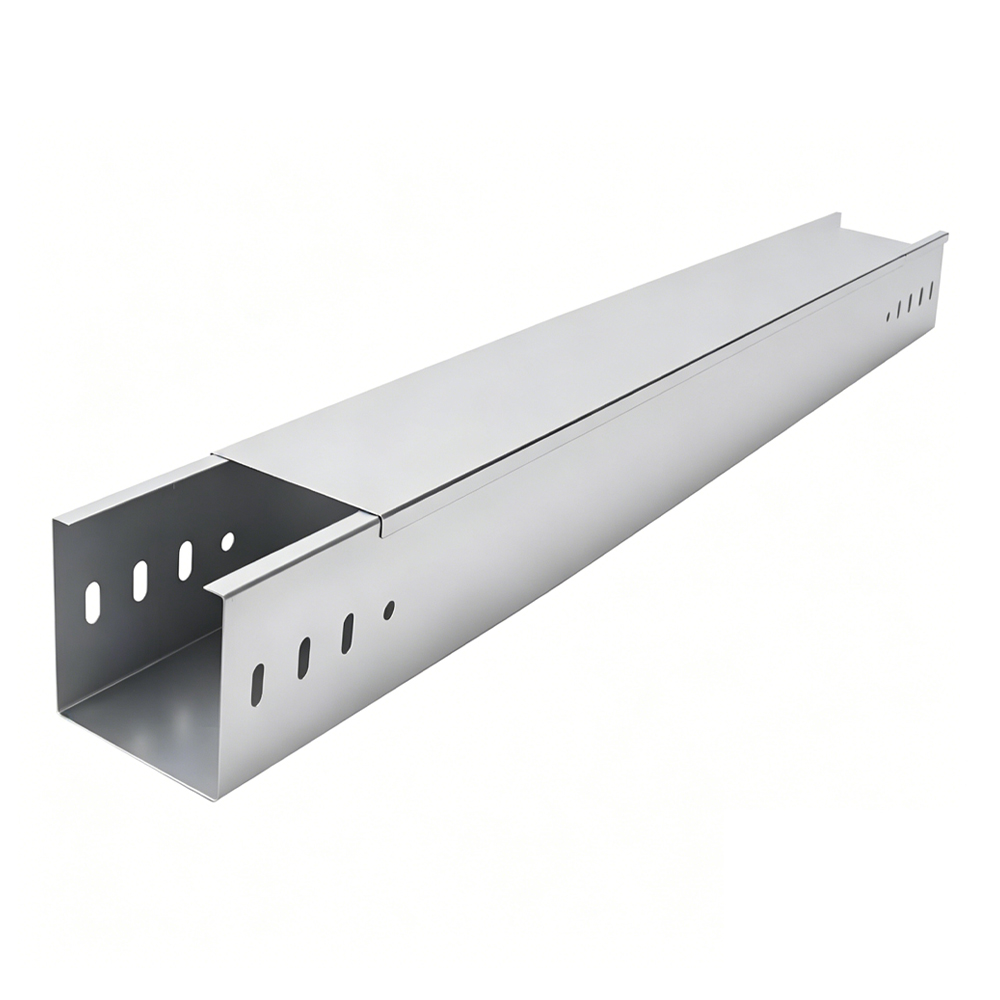
Galvanized steel is widely used for cable management because the zinc coating provides a protective layer between the steel surface and the surrounding environment. This makes galvanized cable tray a practical option for many commercial buildings, industrial facilities, equipment rooms, and other applications where moderate corrosion protection is required.
For projects with relatively stable environmental conditions, galvanized surfaces can provide a useful balance between protection, cost, and structural performance. The exact level of protection depends on the coating process, thickness, installation environment, and exposure conditions. For this reason, buyers should consider more than simply whether a tray is described as galvanized. Understanding the actual environment and expected exposure helps determine whether standard galvanized protection is sufficient or whether a more durable surface treatment should be considered.
When Is Hot-Dip Galvanized Cable Tray a Better Choice?
For projects where cable trays will face greater moisture or outdoor exposure, hot-dip galvanizing can provide a higher level of surface protection. The process coats steel components with a layer of zinc, helping protect exposed surfaces from corrosion and extending the expected service life of the tray under suitable conditions.
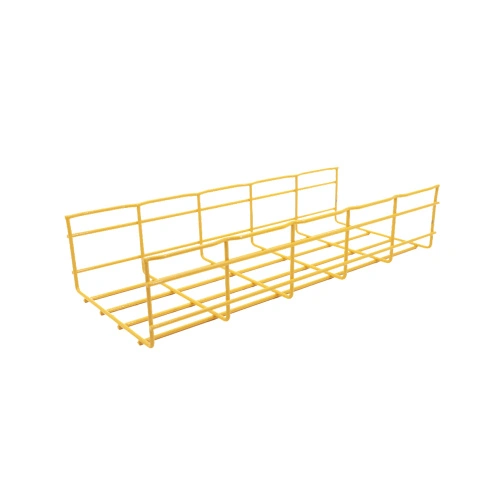
Hot-Dip Galvanized Ladder Cable Tray can be particularly suitable for industrial facilities, power plants, outdoor cable routes, and other applications where ventilation and corrosion resistance are both important. Its ladder structure also allows air to circulate around cables and provides convenient access during installation and maintenance.
Compared with choosing a tray only according to its appearance or initial price, considering the coating process and installation environment gives buyers a better basis for long-term decisions. For demanding applications, the additional protection provided by hot-dip galvanizing may help reduce maintenance and replacement pressure over the service life of the cable management system.
When Should You Consider Stainless Steel Cable Tray?
Stainless steel becomes more attractive when the installation environment presents a higher risk of corrosion and long-term durability is a major concern. Stainless steel cable trays can be used in applications where moisture, chemicals, salt, or strict cleanliness requirements make conventional steel solutions less suitable.
Stainless Steel Cable Tray is commonly considered for demanding industrial environments, coastal areas, food-processing facilities, chemical-related applications, and other locations where corrosion resistance is particularly important. The choice of stainless steel grade also matters because different grades offer different levels of resistance to specific environmental conditions.
Although stainless steel may have a higher initial purchase cost than galvanized steel, material selection should be evaluated against the expected service life and maintenance requirements. If replacing a cable tray later would require significant labor, production downtime, or difficult access, investing in a more corrosion-resistant material at the beginning may provide better long-term value.
How Does Cable Tray Material Affect Service Life?
Cable tray service life is influenced by more than the thickness or strength of the steel. Corrosion can gradually reduce the condition of the tray surface, affect connections and fittings, and eventually influence the structural reliability of the cable support system. The faster corrosion develops, the greater the likelihood of maintenance or replacement becoming necessary.
This is why material selection should consider the full operating environment rather than focusing only on initial purchasing cost. A galvanized tray may be suitable for many indoor or moderately exposed locations, while hot-dip galvanized steel can offer additional protection for outdoor and industrial applications. Stainless steel may be more appropriate for particularly corrosive environments.
A well-matched material can help maintain the tray’s structural performance over time and reduce unexpected maintenance. In this sense, corrosion resistance is not simply a material specification; it is part of the overall lifecycle performance of the cable management system.
Galvanized, Hot-Dip Galvanized, or Stainless Steel: How Do You Choose?
The three materials can serve different project requirements. Instead of assuming that the most corrosion-resistant material is always the best choice, project teams should compare environmental exposure, expected service life, maintenance requirements, and budget.
| Cable Tray Material | Typical Environment | Corrosion Resistance | Common Applications |
| Galvanized Steel | Indoor and moderate environments | Moderate | Commercial buildings, factories, equipment rooms |
| Hot-Dip Galvanized Steel | Outdoor and industrial environments | High | Power plants, industrial facilities, outdoor routing |
| Stainless Steel | Highly corrosive or demanding environments | Very High | Coastal, chemical, food-processing applications |
This comparison provides a starting point rather than a universal specification. The final choice should also consider cable load, tray structure, installation method, local environmental conditions, and project requirements. In some projects, galvanized steel may provide the best overall balance, while more demanding installations may justify hot-dip galvanizing or stainless steel.
How Can You Match Cable Tray Material to Your Project?
A practical approach is to begin with the installation environment and then evaluate the expected exposure level. For a dry indoor project, standard galvanized protection may already provide sufficient performance. If the tray will be installed outdoors or exposed to frequent moisture, a hot-dip galvanized solution can provide additional protection.
For coastal locations, chemical facilities, or environments where corrosion could become a major maintenance issue, stainless steel may deserve closer consideration. The decision should also account for how accessible the cable tray will be after installation. A tray installed at height or in a difficult-to-access area may benefit from a more durable material because future replacement can be costly and disruptive.
ZZ Cable Tray provides different cable management solutions for industrial and commercial applications, allowing buyers to consider tray structure and material together. By matching the material with the actual working environment, projects can achieve a more practical balance between corrosion resistance, service life, maintenance, and initial investment.
Why Is Choosing the Right Cable Tray Material Important?
Cable tray material affects how the system responds to its surroundings throughout its working life. Choosing a material that is too basic for a demanding environment may lead to faster corrosion and higher maintenance costs, while choosing an unnecessarily high-grade material for a simple indoor application may increase project costs without providing meaningful additional value.
The goal is therefore not simply to find the most corrosion-resistant cable tray. It is to identify the material that provides an appropriate level of protection for the actual installation conditions. Galvanized steel, hot-dip galvanized steel, and stainless steel each have their own place in cable management projects.
For contractors, engineers, and procurement teams, evaluating environmental exposure at the planning stage can make cable tray selection more predictable. A suitable material can support long-term system reliability while helping control maintenance and replacement costs over the project’s lifecycle.
FAQ
What is the most corrosion-resistant material for cable trays?
Stainless steel generally provides a higher level of corrosion resistance than standard galvanized steel, particularly in demanding environments. However, the appropriate choice depends on the specific exposure conditions and stainless steel grade.
Are galvanized cable trays suitable for outdoor use?
Yes, galvanized cable trays can be suitable for many outdoor applications. However, projects with higher moisture, salt, or industrial exposure may benefit from hot-dip galvanized protection.
When should I choose a stainless steel cable tray?
Stainless steel is worth considering when cable trays will be exposed to strong moisture, salt, chemicals, or other highly corrosive conditions where long-term durability is a major priority.
Does cable tray material affect service life?
Yes. The ability of the material and surface treatment to resist corrosion can directly influence the long-term condition, maintenance needs, and expected service life of a cable tray system.