






How Are Cable Trays Used in Manufacturing Plants and Production Lines?
Release time: 2026-10-14
Table of Contents
Manufacturing plants often have complex electrical systems running through production areas, equipment rooms, workshops, and utility spaces. Power cables, control cables, communication lines, and equipment connections all need to reach their destinations without creating unnecessary clutter or making future maintenance difficult. As production lines expand, managing these cables becomes an important part of keeping the facility organized and reliable.
This is where cable trays provide a practical solution. Rather than leaving cables loosely routed across different areas, a properly planned tray system gives electrical cables a defined path and keeps them accessible for inspection and maintenance. For manufacturers, the goal is not simply to support cables but to create a routing system that works with the layout of the entire facility. The right tray structure can also make future equipment additions easier because new cables can be routed through an existing system instead of requiring completely new paths.

Why Do Manufacturing Plants Need Organized Cable Routing?
A production facility can contain hundreds or even thousands of electrical connections. Motors, conveyors, control panels, sensors, lighting systems, automated equipment, and other machinery may all require separate cable routes. Without an organized system, cables can become difficult to identify, inspect, or maintain, especially when several production lines operate in the same area.
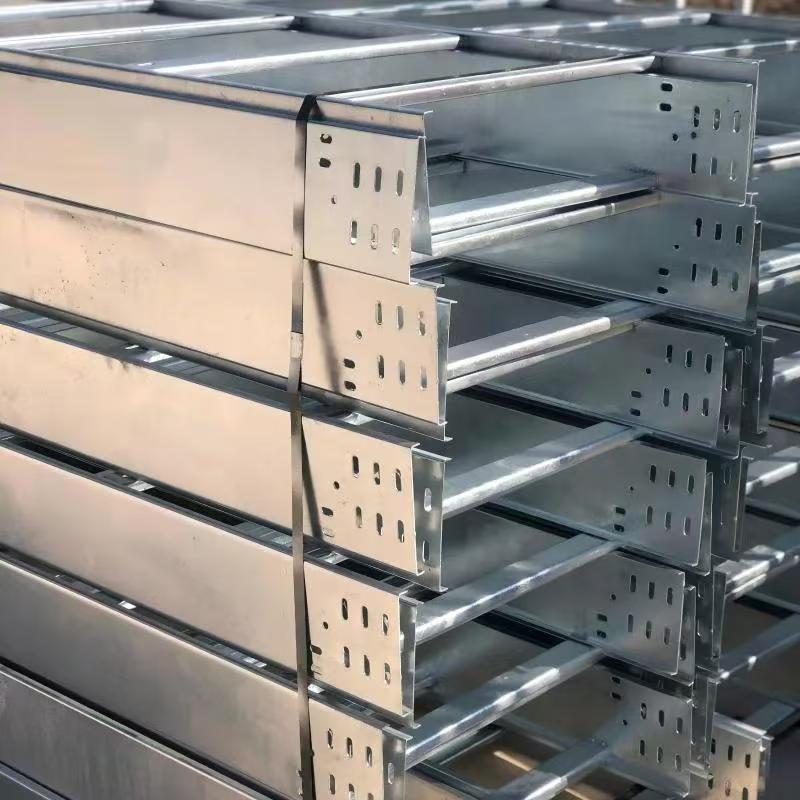
A well-designed cable tray for manufacturing provides a dedicated route for these cables while keeping them separated from walkways and other equipment. The open structure of many cable tray systems also allows technicians to see the cables without removing large covers or dismantling the entire route. This can be particularly useful when production equipment needs troubleshooting or when new cables have to be added. Instead of treating cable routing as an afterthought, manufacturers can integrate the tray layout into the original plant design and make future electrical work more manageable.
How Are Cable Trays Used Along Production Lines?
Production lines often require cables to travel between electrical cabinets, motors, control equipment, sensors, and individual machines. These routes may run horizontally along the production floor or vertically between different levels of a facility. Cable trays can provide a continuous path that follows the physical arrangement of the equipment.
The tray route can also be planned around production equipment so that cables remain clear of moving machinery and working areas. For longer production lines, a properly supported tray system can reduce the need for scattered cable supports and make the overall routing easier to understand. When equipment is rearranged or additional machines are installed, technicians can often use the existing route for new cables, provided sufficient capacity has been planned in advance. This makes cable tray systems useful not only for current production requirements but also for future changes within the plant.
What Makes an Industrial Cable Tray Suitable for Factory Applications?
An industrial cable tray needs to handle more than simply carrying cables from one point to another. Manufacturing environments can involve heavy cable loads, vibration, dust, moisture, temperature changes, and frequent maintenance activity. The tray structure therefore needs to match both the cable requirements and the surrounding working conditions.
Tray width, depth, material, load capacity, support spacing, and installation height can all affect system performance. The choice should also reflect the type of cables being routed. A large power cable bundle may require a different tray arrangement from a group of lighter control or communication cables.
For industrial facilities, the tray should also provide reasonable access for inspection. An organized layout allows technicians to identify cable routes more easily and reduces the need to disturb unrelated wiring during maintenance. Choosing the structure according to actual plant conditions can help create a more reliable cable management system.
Where Are Cable Trays Commonly Installed in Manufacturing Plants?
Cable trays can be used throughout different sections of a manufacturing facility. Around production lines, they may carry power and control cables between machines and electrical panels. In electrical rooms, trays can organize larger cable routes connecting distribution equipment. They can also be installed above production areas, along walls, between buildings, or through utility spaces where cables need to travel over longer distances.
The installation location influences the tray specification. An indoor tray in a dry production area may have different material requirements from one installed outdoors or in a humid industrial process area. Similarly, routes carrying heavy power cables may require stronger support arrangements than routes carrying smaller control cables.
Planning the tray path together with the plant layout is therefore important. A good route should avoid unnecessary bends, provide adequate support, and remain accessible without interfering with production activities. This can make both installation and future maintenance more efficient.
How Does Cable Tray Design Support Production Maintenance?
Maintenance is a major consideration in manufacturing facilities because electrical problems can affect production schedules. When cables are poorly organized, technicians may spend additional time identifying the correct route or locating a damaged connection. A structured cable tray system can make these tasks easier by keeping cables within defined pathways.
Open tray structures can provide good visibility, allowing maintenance teams to inspect cables and connections without removing extensive sections of the system. They can also make it easier to identify unused routes or determine whether there is enough available space for additional cables.
This does not eliminate the need for proper cable identification and installation practices, but it creates a more manageable physical foundation for them. In a busy factory, easier access can make a meaningful difference when maintenance work needs to be completed quickly and safely.
What Should You Consider When Choosing a Factory Cable Tray?
Selecting a factory cable tray starts with understanding the actual cable routing requirements. Cable quantity and weight are important, but they are not the only factors. The plant environment, available installation space, support span, cable arrangement, and potential future expansion should also be considered.
For example, a factory expecting to add production equipment in the future may benefit from additional tray capacity rather than designing the system only around today’s cable load. Similarly, areas exposed to moisture, chemicals, or outdoor conditions may require a more suitable material or surface treatment.
It is also important to consider fittings and accessories during planning. Bends, tees, crosses, supports, and other components need to work together with the main tray system. A complete solution is easier to install and maintain than a collection of components selected separately without considering the overall routing design.
How Can Cable Trays Support Future Factory Expansion?
Manufacturing facilities rarely remain unchanged for their entire service life. Production lines may be extended, new machines may be installed, or existing equipment may be replaced with automated systems. Each change can introduce additional electrical cables, making future capacity an important part of cable tray planning.
Leaving reasonable space within the tray system can make these changes easier. Instead of installing a completely separate route every time new equipment is added, technicians may be able to use existing cable pathways. This can reduce unnecessary installation work and help keep the plant’s electrical layout organized as it develops.
Future planning does not mean simply choosing the largest tray available. Oversized systems can increase material and installation costs. A better approach is to estimate likely expansion requirements and select a tray size and routing structure that provides practical additional capacity without excessive investment.
How Do You Choose the Right Cable Tray for a Manufacturing Plant?
The right cable tray depends on the plant’s cable load, layout, environmental conditions, and future requirements. Start by identifying the types and quantities of cables that need to be routed. Then consider where the trays will be installed, how much support the route requires, and whether additional cables are likely to be added later.
For standard manufacturing environments, a suitable industrial tray can provide an organized route for power, control, and other electrical cables. More demanding locations may require different materials or surface treatments depending on moisture, corrosion, or other environmental factors.
ZZ Cable Tray provides cable management solutions for industrial and commercial applications, allowing project teams to consider tray structure, material, size, and installation requirements together. For manufacturing plants, a well-planned cable tray system is not simply a support structure. It becomes part of the facility’s electrical infrastructure, helping keep production areas organized while making maintenance and future expansion easier.
FAQ
What type of cable tray is best for a manufacturing plant?
The best option depends on cable load, plant layout, environmental conditions, and installation requirements. Industrial cable tray systems are commonly used where durable and organized cable routing is needed.
Can cable trays be used for production line wiring?
Yes. Cable trays can route power, control, and other electrical cables between production equipment, control panels, motors, and electrical rooms.
How do cable trays help with factory maintenance?
They provide defined and accessible cable routes, making it easier for technicians to inspect, identify, maintain, and replace cables when necessary.
Should cable tray capacity allow for future expansion?
Yes. If a manufacturing plant is likely to add equipment or production lines, planning some additional tray capacity can make future cable installation easier.