






How Does a Perforated Cable Tray Improve Cable Heat Dissipation in Industrial Applications?
Release time: 2026-08-25
Table of Contents
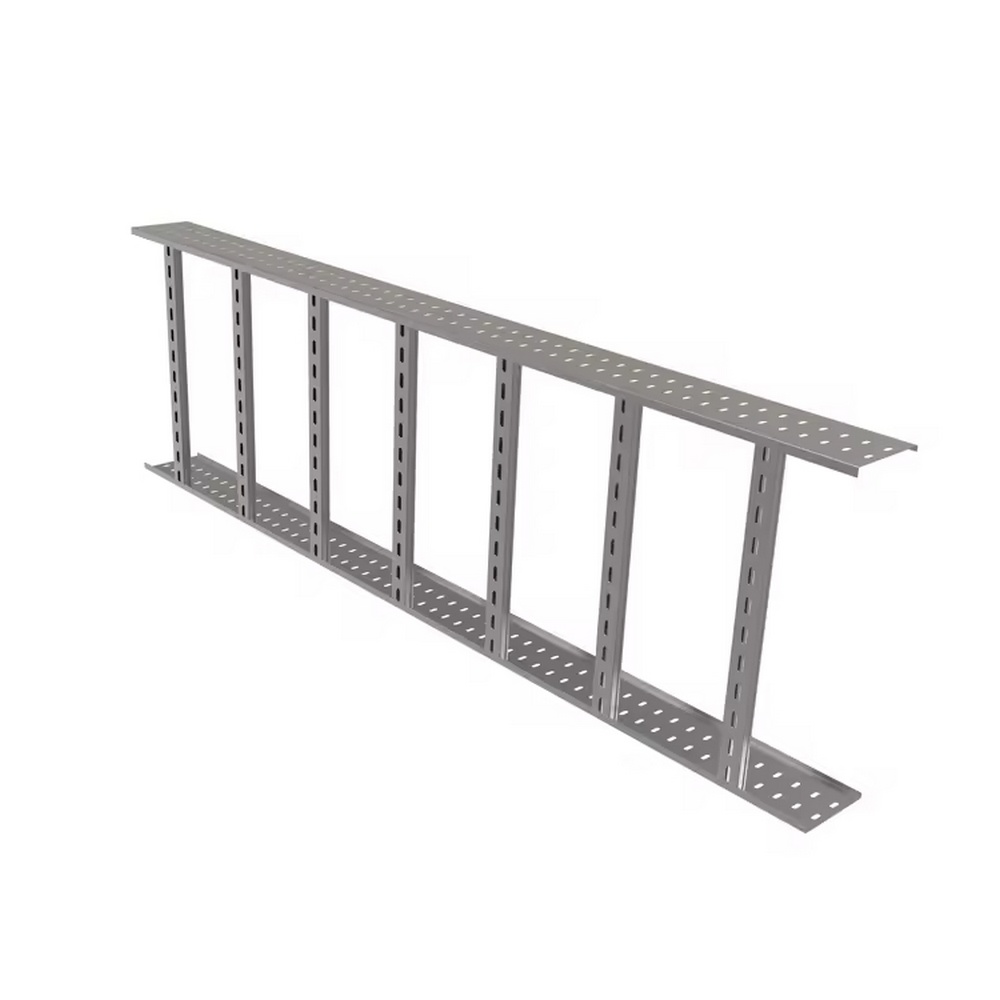
In industrial electrical systems, cable management is not simply about keeping wires organized. As the number of power and control cables increases, heat buildup can become a concern, especially in installations where cables operate continuously under load. A well-designed support system needs to provide mechanical protection while also allowing sufficient airflow around the cables. This is where a Perforated Cable Tray can offer a practical solution.
With openings distributed across its base and side sections, this type of cable tray provides a balance between cable support, ventilation, and accessibility. For industrial facilities, the combination can make cable routing easier to manage while supporting better thermal conditions around installed cables.
Why Is Heat Dissipation Important in Cable Management?
Electrical cables naturally generate heat when current passes through their conductors. Under normal operating conditions, this heat needs to move away from the cable surface and dissipate into the surrounding environment. If cables are installed too densely or airflow is restricted, heat can accumulate around the cable bundle.
Higher operating temperatures may affect cable insulation over time and can reduce the efficiency of an electrical installation. The actual thermal performance depends on several factors, including cable type, current load, ambient temperature, cable spacing, and installation conditions.
For this reason, cable support systems should be considered as part of the overall installation environment rather than simply as structural components.
How Does a Perforated Cable Tray Help Release Heat?
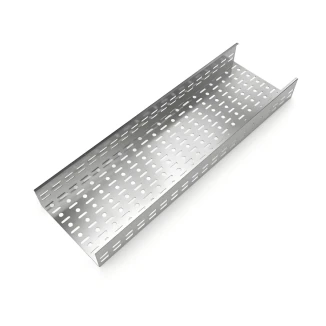
The main advantage of a perforated design is its open structure. Instead of placing cables on a completely closed metal surface, the tray allows air to move through openings in the base and around the cable installation.
This airflow can help heat generated by operating cables move away from the immediate cable area. In installations where multiple cables are routed together, improved ventilation can be particularly useful because it reduces the tendency for heat to remain trapped underneath the cable bundle.
A Heat Dissipation Perforated Cable Tray therefore provides more than cable support. Its ventilated construction can contribute to a more suitable thermal environment while maintaining a continuous route for power, control, and communication cables.
However, perforations do not eliminate the need for proper cable sizing or installation design. Cable loading, grouping, spacing, ambient conditions, and electrical requirements should still be evaluated according to the specific project.
Perforated Cable Tray vs. Solid Cable Support
The choice between perforated and solid-bottom designs depends largely on the installation environment.
A solid-bottom tray provides a continuous surface underneath the cables and can be useful when additional protection from falling particles or small objects is required. However, the closed surface provides less direct ventilation through the bottom of the tray.
A perforated design introduces ventilation without giving up the basic function of supporting and organizing cables. This makes it particularly attractive for industrial applications where airflow and cable accessibility are important considerations.
The openings can also make it easier for installers to inspect cable routes and secure cables during installation. For projects where cables may need to be expanded, adjusted, or maintained later, this accessibility can simplify routine work.
Why Choose a Galvanized Perforated Cable Tray?
Industrial installations often expose cable management systems to moisture, dust, temperature changes, and other environmental conditions. Material selection therefore has an important influence on long-term performance.
A Galvanized Perforated Cable Tray combines the ventilation advantages of a perforated structure with the protective characteristics associated with galvanized steel. The galvanized surface helps improve resistance to corrosion compared with untreated steel, making this type of tray suitable for many industrial and commercial environments.
The exact level of corrosion protection required depends on the installation location. Indoor electrical rooms, manufacturing facilities, warehouses, utility areas, and other environments may have different exposure conditions. Selecting the appropriate finish should therefore be based on the actual operating environment rather than relying on a single material for every project.
Where Can Perforated Cable Trays Be Used?
Perforated cable trays can be integrated into a wide range of electrical cable management systems. Manufacturing plants may use them to route power and control cables between electrical panels and production equipment. Commercial buildings can use them for organized distribution of electrical and communication cables, while warehouses and infrastructure facilities may benefit from their accessible and ventilated design.
They can also be considered where cable routes require regular inspection or future modifications. Because cables remain accessible from above, maintenance teams can identify and work with individual cable routes without completely dismantling the support system.
In projects with higher cable loads or longer support spans, however, engineers should also consider tray dimensions, material thickness, support spacing, and load requirements before installation.
What Should You Consider When Selecting a Perforated Cable Tray?
Choosing the right tray involves more than selecting a suitable width. The cable quantity and type should first be evaluated to determine the required tray dimensions and available capacity. The installation environment is another important consideration because moisture, chemicals, temperature, and other conditions can influence the appropriate material or surface treatment.
The expected cable arrangement also matters. When cables are grouped closely together, sufficient space and suitable routing practices can help maintain better operating conditions. Support spacing should be compatible with the tray design and expected load to maintain structural stability.
For industrial projects, a practical cable management solution should therefore balance mechanical strength, ventilation, corrosion resistance, installation convenience, and future maintenance requirements.
A Practical Solution for Industrial Cable Management
A Perforated Cable Tray can provide an effective combination of cable support and ventilation for modern electrical installations. Its perforated structure allows greater air circulation around routed cables, while galvanized construction can provide additional protection in many industrial environments.
For applications where cable temperature, accessibility, and long-term cable organization are important, choosing a properly designed perforated tray can make the overall cable management system easier to install and maintain. Zhenzhong Cable Tray provides cable management solutions designed for different electrical installation requirements, including perforated tray configurations for projects that require practical cable routing and ventilation.
FAQ
Does a perforated cable tray improve cable cooling?
Its open structure allows more air movement around the cables, which can help heat dissipate more effectively than a completely enclosed or solid-bottom support in suitable installation conditions.
Is a galvanized perforated cable tray suitable for outdoor use?
It can be suitable for certain outdoor environments, but the required corrosion protection depends on factors such as humidity, exposure, pollutants, and local environmental conditions. The appropriate finish should be selected according to the project requirements.
What is the main advantage of a perforated cable tray?
Its key advantage is the combination of cable support and ventilation. The openings can promote airflow while also providing convenient access for cable installation, inspection, and maintenance.
How do I choose the right perforated cable tray?
Consider the number and type of cables, required tray width, expected cable load, support span, installation environment, corrosion protection, and future expansion requirements before selecting a tray system.