






How to Choose the Right Cable Tray for Your Project?
Release time: 2026-08-21
Table of Contents
Choosing the right cable tray is not simply about finding a product that can hold a group of cables. Cable size, load, ventilation, installation conditions, corrosion exposure, span length, and future maintenance can all affect the final choice. A tray that works well in a dry commercial building may not be the right solution for a chemical plant or coastal project. The good news is that the selection process becomes much easier when these factors are considered together rather than separately. With a range of perforated, ladder, wire mesh, solid bottom, and corrosion-resistant solutions, Anhui Zhenzhong Electrical Technology provides cable management products designed for different industrial and commercial applications, helping project teams match tray structure and material to actual site conditions.
Start With Cable Load and Tray Size
The first thing to consider is how much cable the tray needs to carry. Power cables, control cables, communication cables, and optical fibers can have very different space and weight requirements, so tray width and height should be selected according to the actual cable arrangement rather than simply choosing a standard size. Heavy cable bundles may require a stronger structure, reinforced supports, or a ladder-style design, particularly when the tray runs across longer spans.
Cable quantity also matters because the tray should leave enough usable space for installation and future additions. Overcrowding cables can make installation more difficult and may reduce ventilation around the cables. For larger industrial projects, it is also important to consider support spacing and the total load applied to each section. Long-span ladder trays can be useful where fewer support points are preferred, while solid-bottom or perforated designs may be more suitable where cable protection or general-purpose routing is a higher priority.
Consider Ventilation and Heat Dissipation
Heat management is another important part of cable tray selection, especially when the tray carries power cables. Cables generate heat during operation, and a well-ventilated tray can help that heat move away from the cable surface. Open structures such as ladder and wire mesh trays provide greater air circulation than closed designs, making them practical for applications where heat dissipation is an important consideration.
Wire mesh trays are particularly useful in data centers, communication rooms, and commercial spaces where cable routing changes frequently. Their open structure provides good visibility and allows cables to be accessed from different directions. Perforated trays also provide ventilation while offering a more continuous supporting surface. For cables that require greater protection from dust, water, mechanical contact, or other external conditions, a solid-bottom design may be more appropriate. The key is to balance ventilation with the level of physical protection required by the installation environment.
Choose Cable Tray Materials for the Environment
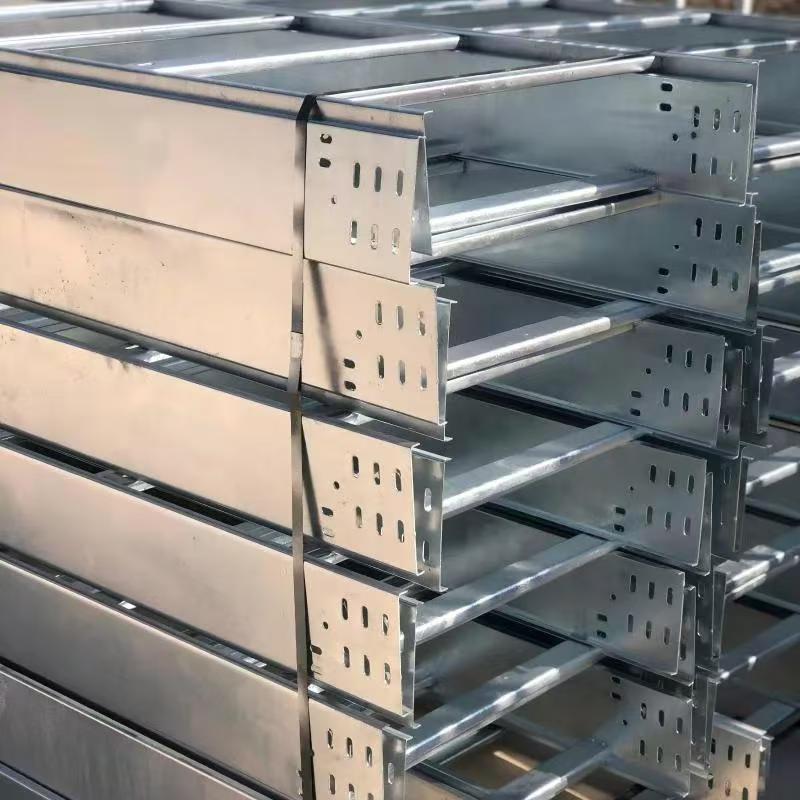
The installation environment often determines which tray material makes sense. Galvanized steel is commonly used for industrial and commercial applications because its protective coating provides resistance against moisture and corrosion. Hot-dip galvanized ladder trays are particularly suited to outdoor installations, power facilities, manufacturing plants, and other locations where stronger corrosion protection is required.
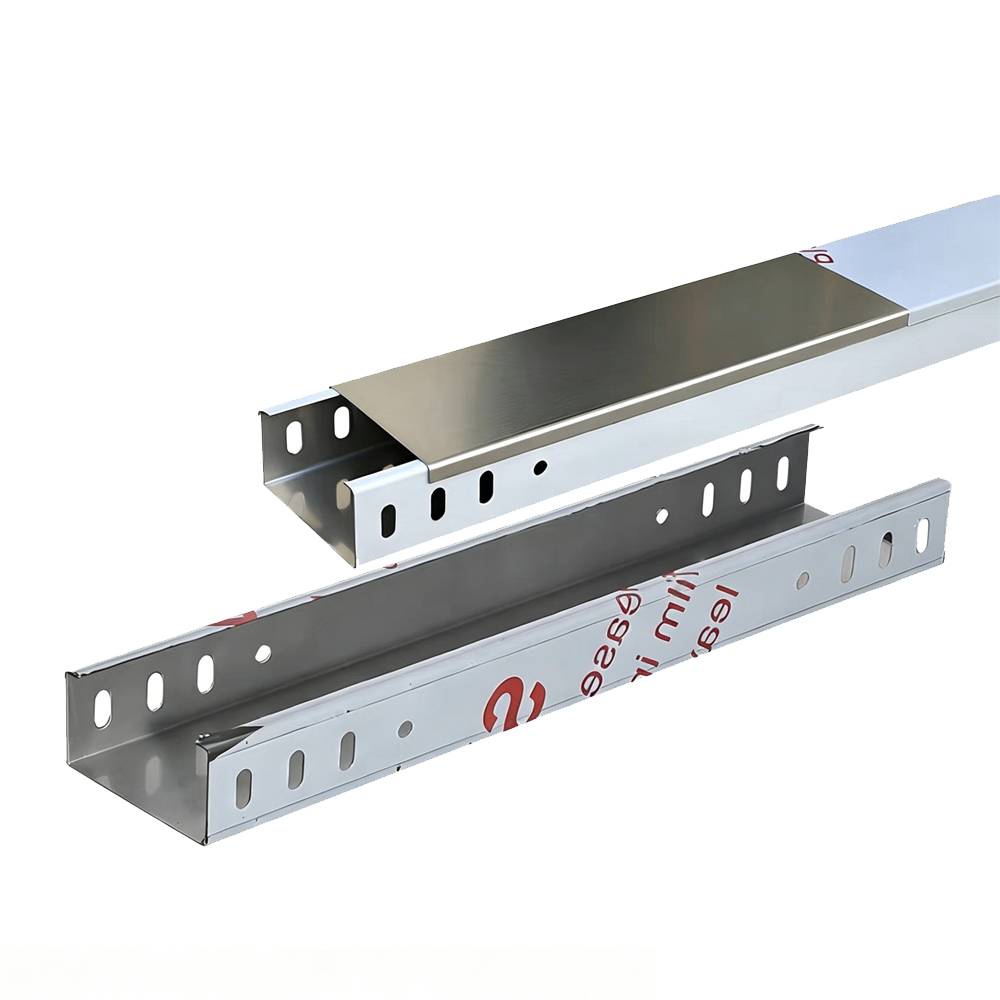
For more demanding environments, stainless steel can provide an additional level of corrosion resistance. A Stainless Steel Cable Tray can be considered for applications involving moisture, salt spray, chemicals, food processing, clean production areas, and coastal conditions. Different stainless steel grades can also be selected according to the severity of the environment. For example, 304 stainless steel is commonly used for general moisture and mild corrosion conditions, while 316 and 316L are better suited to chloride-rich or more corrosive environments. Material selection should therefore be based on actual exposure rather than simply choosing the most corrosion-resistant option for every project.
Match the Tray Structure to the Application
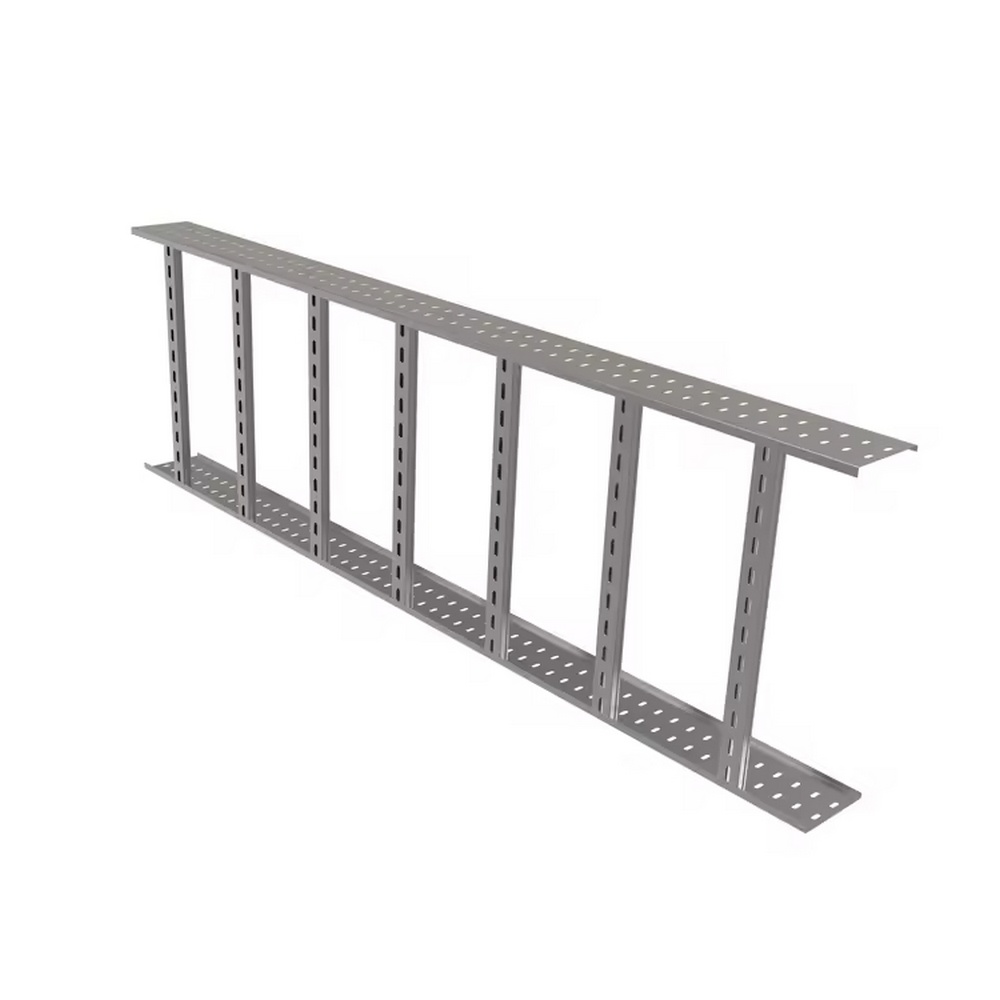
Different tray structures solve different installation problems. Ladder cable trays provide strong support and open ventilation, making them a practical option for heavy power cables, industrial facilities, substations, tunnels, and long-span installations. Their open rungs also make cable installation and inspection relatively convenient.
Perforated trays offer a balance between support, ventilation, and protection and can be used across a wide range of commercial and industrial projects. Wire mesh trays are especially convenient where flexible routing and frequent cable changes are expected. Solid-bottom trays provide a continuous base and can offer better protection for sensitive cables, control wiring, optical fibers, and installations where dust or external exposure is a concern.
For an industrial cable tray application, the structure should also be matched with the project’s support system, cable weight, span requirements, and installation method. Choosing a tray based only on appearance or price can create problems later when the system needs to carry additional cables or operate under more demanding conditions.
Think About Installation, Span, and Future Maintenance
Installation efficiency is easy to overlook during product selection, but it can have a direct effect on project labor and schedule. Tray sections should work naturally with splice plates, brackets, hangers, covers, and other accessories used in the cable management system. Standard connection methods can simplify assembly, while pre-punched holes or snap-type connections can reduce the amount of onsite modification required.
Span length is another practical consideration. When support points are limited, long-span cable trays can reduce the number of supports needed and simplify routing across open areas. At the same time, the tray must have sufficient structural strength for the expected cable load and span. Future maintenance should also be considered. A tray that provides easy cable access, clear visibility, and room for expansion can make later inspection and cable replacement much easier. Planning for future changes at the design stage is often more efficient than modifying an overcrowded cable route after installation.
Which Cable Tray Fits Different Applications?
The best choice depends on the combination of cable type, environment, load, and installation conditions.
| Project condition | Recommended tray type | Main consideration |
| Heavy power cables | Ladder cable tray | Load capacity and ventilation |
| Data centers | Wire mesh or perforated tray | Airflow and flexible routing |
| General industrial wiring | Perforated cable tray | Balance of support and ventilation |
| Sensitive or protected cables | Solid-bottom tray | Greater cable protection |
| Outdoor installations | Hot-dip galvanized ladder tray | Corrosion resistance and durability |
| Coastal or high-chloride areas | Stainless steel tray | Resistance to salt and corrosion |
| Long-span routing | Long-span ladder tray | Structural strength and fewer supports |
| Chemical or harsh environments | Stainless steel or suitable coated tray | Environmental resistance |
This kind of application-based comparison is more useful than selecting a tray from a product name alone. The same project may even require several tray structures or materials in different areas.
Why Choose Anhui Zhenzhong Electrical Technology?
A cable management system needs more than individual tray sections. Product consistency, matching accessories, structural design, and manufacturing capability all influence how smoothly a project can move from specification to installation. Anhui Zhenzhong Electrical Technology focuses on cable trays, busbars, switchgear, and related electrical products, with dedicated production capabilities for different cable management requirements.
Its cable tray range covers perforated, wire mesh, long-span, solid-bottom, ladder, and fireproof designs, with material and surface options including galvanized steel, hot-dip galvanized steel, stainless steel, aluminum alloy, and non-metallic composite solutions. This allows project requirements to be considered from both structural and environmental perspectives. For projects with specific dimensions, load requirements, finishes, or installation conditions, customized cable tray solutions can also be discussed with the manufacturer.
FAQ
What is the best cable tray for heavy power cables?
Ladder cable trays are commonly suitable for heavy power cables because their open structure provides strong support and good ventilation.
Is stainless steel cable tray suitable for outdoor use?
Yes. Stainless steel trays can be suitable for outdoor and coastal applications, particularly where moisture, salt spray, or corrosion is a concern. The appropriate stainless steel grade should be selected according to the environment.
When should I choose a solid-bottom cable tray?
A solid-bottom tray can be considered when cables need greater protection from dust, water, mechanical contact, or other external conditions.
How do I choose the right cable tray size?
Consider the number and size of cables, total cable weight, required ventilation, support spacing, span length, and potential future cable additions before determining the tray dimensions.