






Paliwanag sa mga Uri ng Cable Tray: Hagdan, Butas-butas, Solidong Ilalim at Wire Mesh
Release time: 2026-07-22
Talaan ng mga Nilalaman
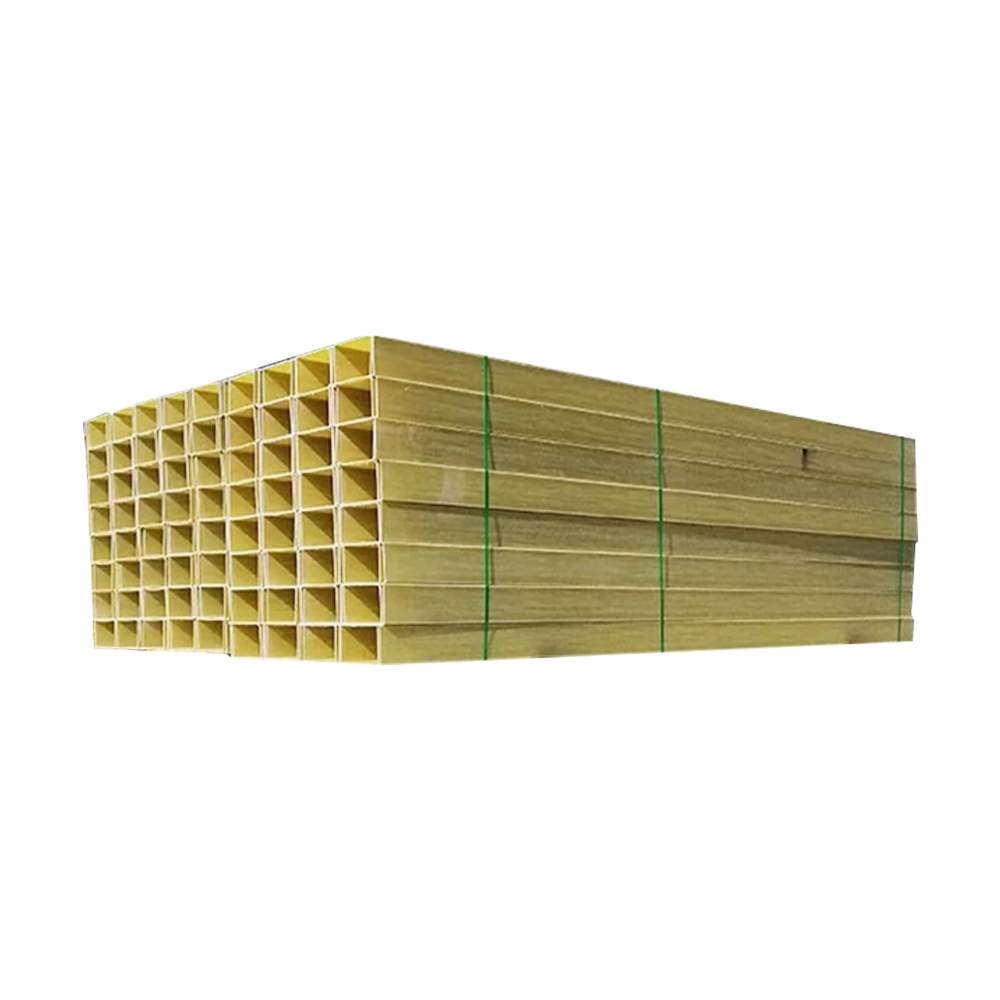
Choosing the right cable support system can make a noticeable difference in installation, maintenance, and long-term cable protection. Different projects have different requirements for ventilation, load capacity, routing flexibility, and environmental resistance, which is why understanding the main cable tray types is useful before making a purchasing decision. Anhui Zhenzhong specializes in cable trays and related electrical products, offering tray, ladder, and large-span solutions in materials such as galvanized steel, stainless steel, fiberglass, and alloy plastic. With a cable tray production division covering approximately 15,000 square meters and large-span tray sections reaching up to 8 meters, Zhenzhong can provide cable support solutions for a wide range of industrial and commercial applications.
Ladder Cable Tray for Heavy-Duty Cable Routing
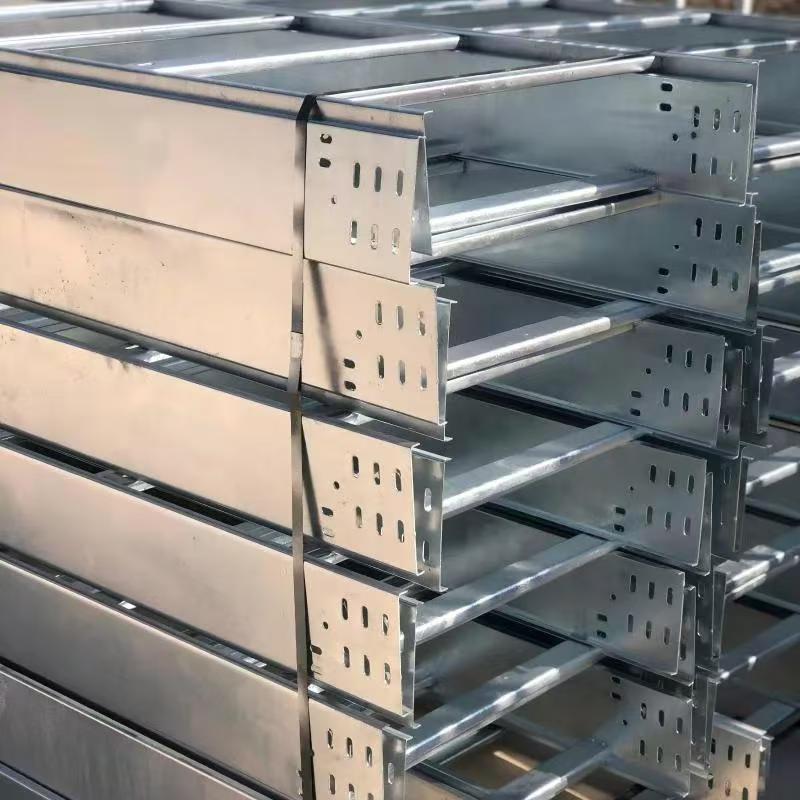
A ladder cable tray uses two longitudinal side rails connected by regularly spaced rungs. This open structure gives cables plenty of airflow while providing strong support for heavier power cables. It is particularly useful when heat dissipation and long cable runs are important considerations. The open design also makes it easier for installers to access cables during installation, inspection, and maintenance without removing a continuous tray bottom.
Ladder trays are commonly used in industrial plants, power distribution projects, infrastructure facilities, and other applications where cables may have significant weight or require longer support spans. However, the right configuration still depends on cable loading, span requirements, support spacing, and the installation environment. For projects requiring long unsupported sections, Zhenzhong’s large-span cable tray capability can be considered as part of the overall cable routing design.
Perforated Cable Tray for Heat Dissipation
A butas-butas na tray ng kable has a continuous tray base with ventilation openings, offering a useful balance between cable support and airflow. Compared with a completely closed tray, the openings allow heat to escape from around the cables while also helping reduce the accumulation of water in suitable environments. The perforated structure can therefore work well where cable protection is needed without completely sacrificing ventilation.
Galvanized perforated trays are widely suited to industrial wiring, data centers, communication rooms, commercial buildings, and MEP installations. Zhenzhong’s cable tray range includes galvanized and hot-dip galvanized options designed for projects where corrosion resistance and installation efficiency are important. Depending on the project, stainless steel and other material choices can also be considered when the operating environment requires different levels of corrosion resistance or mechanical performance.
Solid Bottom Cable Tray for Greater Cable Protection
A solid bottom cable tray has a continuous base without ventilation openings. Its enclosed bottom provides more physical support for cables and can help reduce direct exposure to dust, falling objects, and other environmental factors. This makes it worth considering when cable protection is a higher priority than maximum airflow.
Solid bottom trays are often used for control cables, communication cables, instrumentation wiring, and installations where a more protected cable route is preferred. Covers can also be added when additional protection is required. The choice between a solid bottom and a ventilated tray should be based on the cable type, heat generation, environmental conditions, and maintenance requirements rather than on tray structure alone. Zhenzhong provides trough-type and tray-type cable support products in different materials and surface finishes to accommodate different project conditions.
Wire Mesh Cable Tray for Flexible Cable Routing
Wire mesh cable tray is formed from welded wire sections, creating an open structure that provides strong airflow and easy cable access. Because of its flexible design, it can be particularly convenient for installations where cable routes change direction frequently or where numerous communication and low-voltage cables need to be organized within a relatively complex layout.
The open mesh structure also makes it easier to see and access cables after installation. This can be useful in communication rooms, commercial buildings, data-related installations, and other projects where future cable additions are expected. Compared with a perforated tray, wire mesh provides a more open support structure, while a perforated tray offers a more continuous base. The choice between them depends on the required support surface, cable arrangement, installation method, and project environment.
How Cable Tray Materials Affect Performance
Cable tray structure is only one part of the selection process. Material and surface treatment can also affect service performance, especially when trays are installed outdoors, in humid areas, or in environments where corrosion is a concern. Galvanized and hot-dip galvanized steel trays are commonly selected when a combination of structural strength and corrosion resistance is required. Stainless steel can be considered for more demanding environments, while fiberglass and alloy plastic provide alternative material options for specific applications.
For highly corrosive or electrically sensitive environments, a PU composite cable tray provides another material option to consider. Its non-metallic construction can be useful where corrosion resistance, electrical insulation, lightweight handling, or temperature adaptability are important requirements. Zhenzhong’s broader cable tray manufacturing range also covers fiberglass, stainless steel, alloy plastic, powder-coated, galvanized, and hot-dip galvanized products, allowing material selection to be considered together with the project’s actual operating conditions.
Ladder vs Perforated vs Solid Bottom vs Wire Mesh
| Cable Tray Type | Main Structure | Bentilasyon | Typical Strength |
| Ladder | Side rails and rungs | Napakahusay | Heavy cable support and long runs |
| Perforated | Ventilated solid base | Mabuti | Balanced support and heat dissipation |
| Solid Bottom | Continuous closed base | Lower | Mas mahusay na proteksyon sa kable |
| Wire Mesh | Open welded mesh | Napakahusay | Flexible routing and easy access |
These differences provide a useful starting point, but there is no single tray structure that fits every project. A heavy industrial power installation may require the structural support of a ladder tray, while a data center may place greater emphasis on airflow and organized cable access. A protected control-cable route may favor a solid bottom design, while a complex communication installation may benefit from the flexibility of wire mesh.
How to Choose the Right Cable Tray for Your Project
Start with the cables themselves. Consider their weight, quantity, diameter, heat generation, and required separation before selecting the tray structure. Then look at the installation environment, including indoor or outdoor exposure, moisture, corrosion, temperature, and potential mechanical impact. Required span and support spacing should also be considered, especially for large industrial projects.
It is also worth thinking about future expansion. A cable tray that works for today’s cable load may become difficult to maintain if additional circuits are added later. Choosing an appropriate width, height, material, and support configuration can make future modifications easier. For projects with demanding span requirements, corrosion concerns, or multiple cable routing needs, working with an experienced cable tray manufacturer can simplify the selection process.
Why Work with Anhui Zhenzhong Electrical Technology?
With more than 300 employees, multiple production lines, and over 30 pieces of production equipment, Anhui Zhenzhong has established dedicated manufacturing capabilities for cable trays and busbar products. Its cable tray production division covers approximately 15,000 square meters and includes tray-type, ladder-type, and other cable support solutions, with large-span sections available up to 8 meters.
For projects requiring different tray structures, materials, and surface treatments, Zhenzhong can provide options including galvanized steel, stainless steel, fiberglass, alloy plastic, powder-coated, and hot-dip galvanized cable trays. The combination of manufacturing capacity and product variety makes it possible to develop cable support solutions around actual project requirements rather than relying on a one-size-fits-all design.
Mga Madalas Itanong
What are the main types of cable tray?
The common types include ladder, perforated, solid bottom, and wire mesh cable trays. Each has different characteristics for ventilation, cable support, protection, and routing flexibility.
What is the difference between ladder and perforated cable tray?
A ladder tray has open rungs and provides strong airflow and cable support, while a perforated tray has a continuous base with ventilation openings and offers a balance between support and heat dissipation.
When should I use a solid bottom cable tray?
A solid bottom tray can be considered when greater physical protection and a continuous support surface are more important than maximum ventilation.
What materials are available for cable trays?
Depending on the manufacturer and application, cable trays can be made from galvanized steel, stainless steel, fiberglass, alloy plastic, and other materials with different surface treatments.