







Products Center
Contact Us
Products
Cable Tray Product Introduction (Foreign Trade Official Version) 1. Product Definition Cable tray is a professional carrier for laying and protecting power cables, control cables, communication optical cables and data wires in electric power and weak current systems. Composed of trough body, cover plate, supports, cantilevers, elbows, tees and connecting accessories, it standardizes and supports cables, realizes separated wiring of strong and weak current, facilitates threading construction and later maintenance and expansion. Widely applied in energy storage power stations, data centers, commercial buildings, municipal projects, chemical plants, photovoltaic & wind power industries, known as the "vascular channel" for electrical pipelines. 2. Four Main Structural Types (1) Solid Bottom Cable Tray (Fully Enclosed Type) Structure: Fully enclosed trough design with optional cover plates, no heat dissipation holes. Advantages: Excellent electromagnetic shielding, dustproof, moisture-proof, corrosion-resistant, rodent-proof, strong impact resistance, top-level cable protection. Disadvantage: Poor heat dissipation, not suitable for dense laying of high-heat large-section power cables. Application: Computer rooms, monitoring weak current systems, optical cables, precision instrument control lines, chemical corrosive workshops, underground pipe galleries, internal signal wires of energy storage cabins, laboratories and hospitals. (2) Perforated Cable Tray (Semi-open Type) Structure: Equipped with heat dissipation & drainage holes on the base plate, semi-open design balancing sealing protection and ventilation cooling. Advantages: High load capacity, moderate self-weight, breathable & drainable, flexible installation, compatible with both strong and weak current wiring, the most versatile standard model for construction projects. Application: Commercial complexes, office buildings, factory power distribution rooms, high-rise residences, municipal electromechanical projects and general industrial power cables. (3) Ladder Cable Tray Structure: Consists of side panels and horizontal ladder rungs, hollow ladder shape without base plate. Advantages: Best heat dissipation, lightest weight, low material consumption, convenient threading & inspection, excellent long-span bearing performance. Disadvantage: Poor dustproof, waterproof and shielding performance, forbidden for dusty, humid and corrosive environments. Application: Substations, power plants, metallurgical workshops, outdoor overhead laying, photovoltaic power stations, large-section high-voltage power cables and main lines with high heat generation. (4) Wire Mesh Cable Tray Structure: Integrally welded with stainless steel wires, full hollow mesh design. Advantages: Ultra-high heat dissipation, lightweight, extremely easy installation, visible wiring status. Application: Data centers, server computer rooms, IDC rooms and integrated weak current wiring projects. 3. Classification by Material & Surface Treatment (Anti-corrosion Grade & Salt Spray Standard) 1. Electro-galvanized (Cold Galvanized) Salt spray resistance: 24~48 hours, basic anti-rust performance, only for dry indoor environments such as office buildings and indoor factories, lowest cost. 2. Powder Coated Coated with epoxy resin by high-temperature spraying, dense coating with resistance to weak acid & alkali, customizable colors, good appearance. Salt spray test up to 500 hours. Suitable for basements and humid indoor areas, not for long-term outdoor exposure. 3. Hot-dip Galvanized Zinc layer thickness ≥65μm, salt spray resistance ≥720 hours, national standard for outdoor anti-corrosion. Rainproof, moisture-proof, salt-alkali resistant. Service life: 15~20 years for outdoor plants, coastal areas, outdoor pipe galleries and slightly corrosive chemical environments. 4. Aluminum Alloy Cable Tray (6063-T5) Anodized treatment, self-weight only 60% of steel trays, rust-free, oxidation-resistant, customizable to C4/C5 high anti-corrosion grade. Preferred choice for energy storage cabins, offshore wind power and coastal projects, meets 720-hour salt spray test requirements of Longi Energy Storage technical agreement. 5. 304 / 316 Stainless Steel Cable Tray 316L resists strong acid, strong alkali and seawater corrosion, salt spray resistance over 1000 hours. Used for offshore platforms, chemical factories, sewage treatment plants and extreme corrosive working conditions, relatively high cost. 6. Fire-resistant Cable Tray Base material with intumescent fireproof coating. The coating foams and insulates under fire. Fire resistance rating optional: 0.5h / 1h / 1.5h / 2h. Mandatory fire code product for fire power distribution lines in high-rise buildings, refuge floors, fire pump rooms and underground garages. 4. Core Hot Sale Product: Energy-saving Reinforced Compression-Molded Cable Tray Technical Principle Integrated compression molding, continuous arc reinforcing ribs pressed on base and side panels. Structural mechanics greatly improves bending resistance and deformation resistance, certified as national recommended green energy-saving building material, complying with GB/T23639-2017. 5 Core Advantages 1. High strength & material saving: Under the same load-bearing capacity, plate thickness is 20%~30% thinner than traditional bent trays, lower self-weight reduces hoisting, transportation and support load, comprehensive cost reduced, bending stiffness increased by over 35%, no sagging & deformation in long-term use. 2. Customizable super anti-corrosion: Aluminum alloy molded version supports C4 & C5 anti-corrosion grades, easily passes 720-hour salt spray test for energy storage projects. The manufacturer shall bear full responsibility for rectification if rusting & corrosion occurs within the warranty period. 3. High installation efficiency: Plug-in splicing design, no on-site welding required. Installation efficiency 40% higher than traditional trays, reduces working-at-height risks. 4. Customizable ultra-long single section: Standard 6m fixed length, customizable from 1m to 12m per piece, fewer joints for better sealing and structural stability. 5. Full-scenario compatibility: Widely used in energy storage cabins, photovoltaic power stations, industrial & commercial energy storage, data centers, industrial plants and municipal electromechanical projects, available in solid bottom, perforated and ladder styles
-
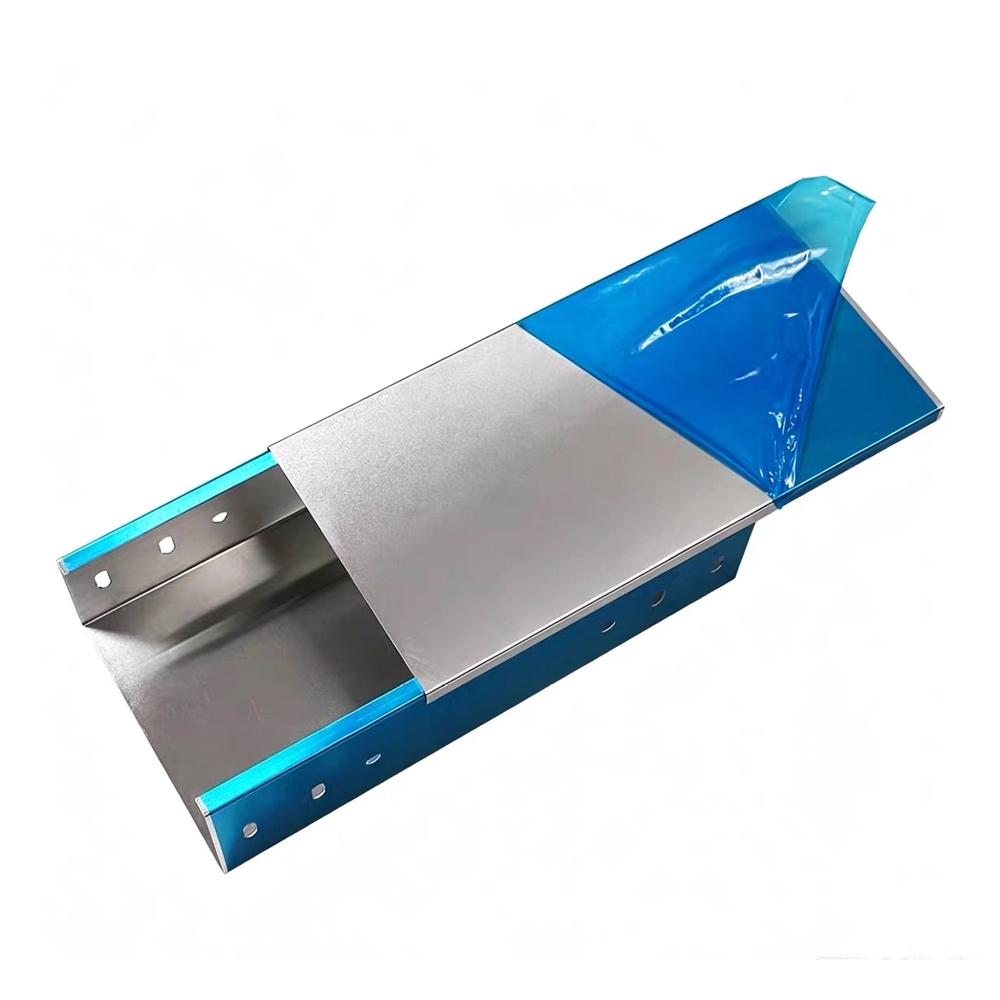
Lightweight Aluminum Alloy Perforated Solid Bottom Cable Tray For Sale
Learn More
-
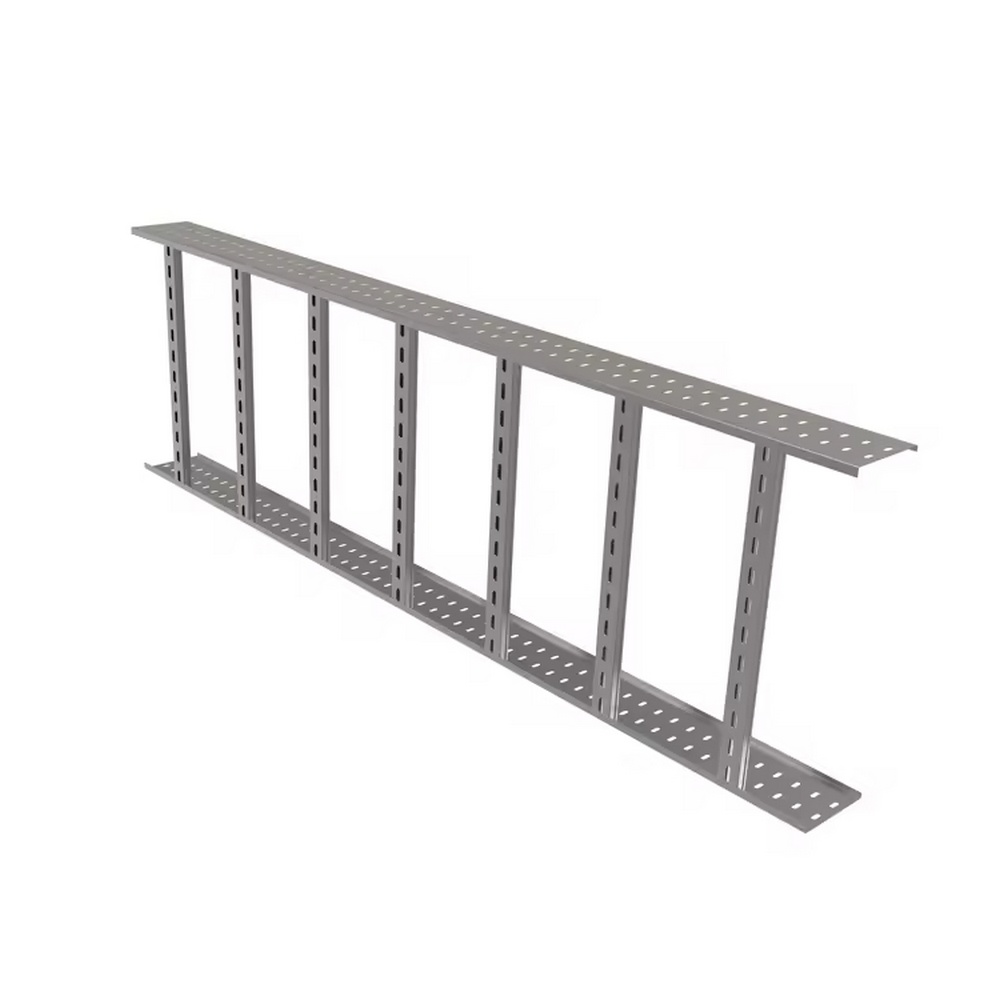
Stainless Steel Cable Tray High-Strength Ladder Aluminum Alloy Fireproof Plastic Coating For Industrial Wire
Learn More
-
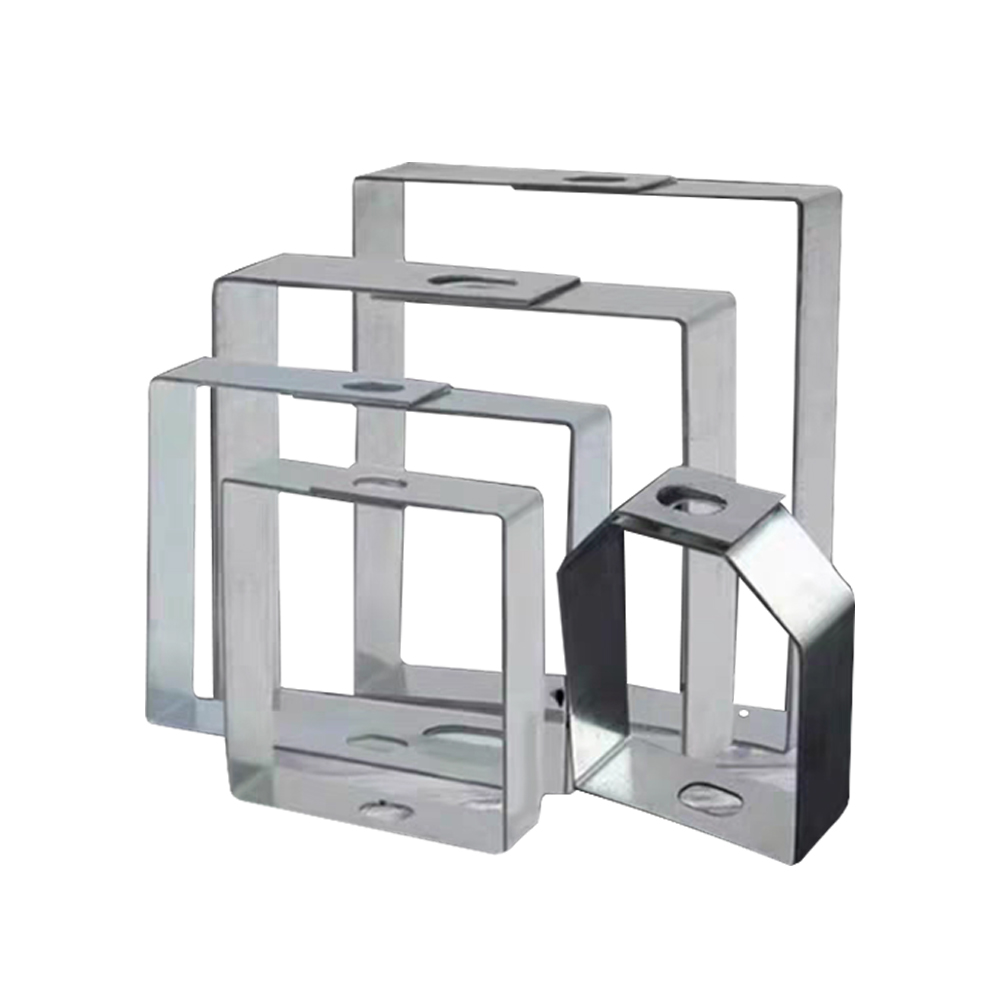
Custom Width Cable Tray Accessories Cast Iron Forged Carbon Steel
Learn More
-
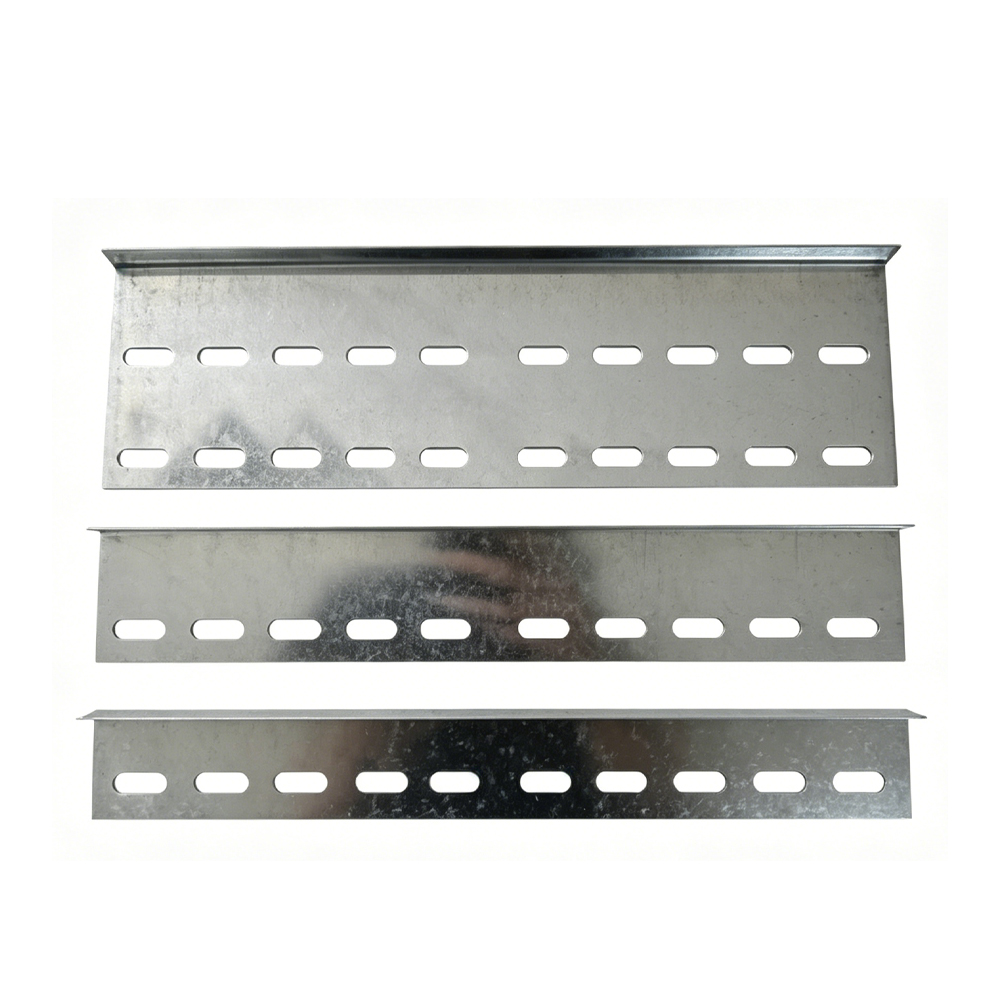
Cable Tray Splice Connector Plate Stainless Steel Splice Plate
Learn More
-
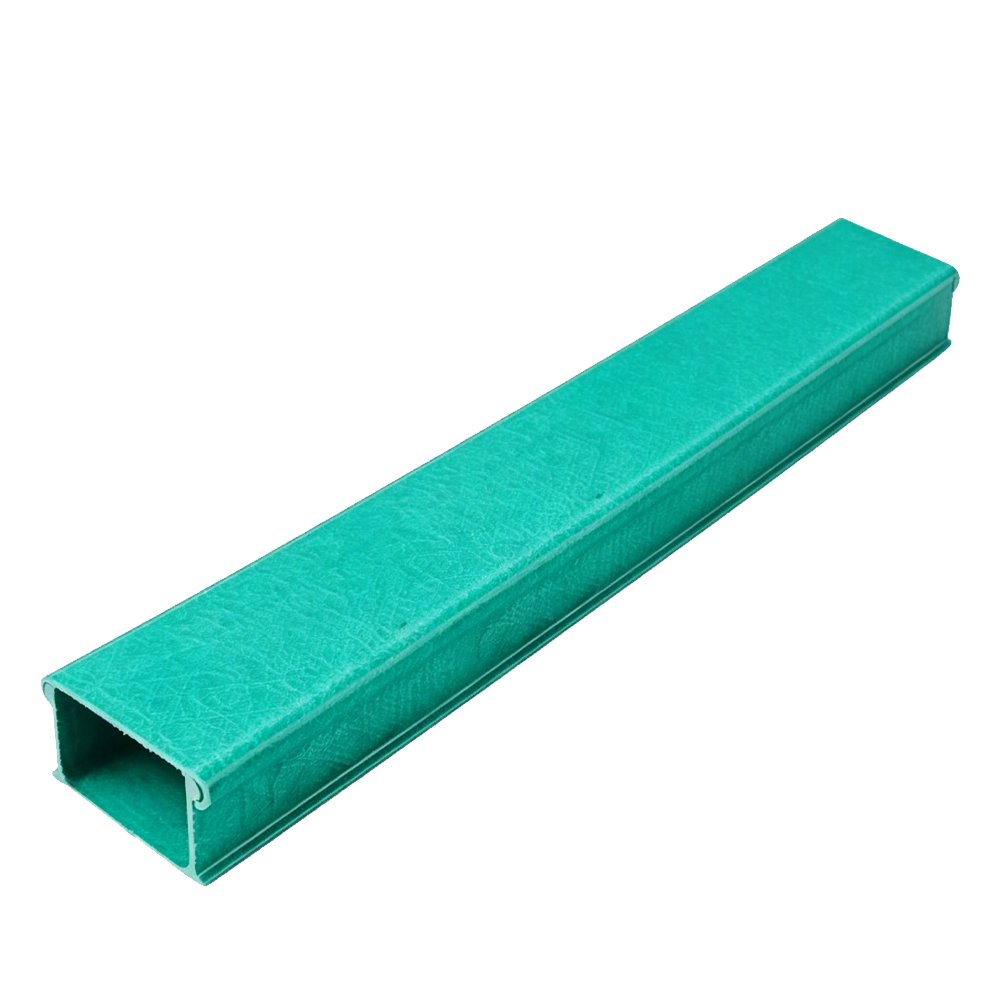
FRP Cable Tray / GRP Cable Tray
Learn More
-
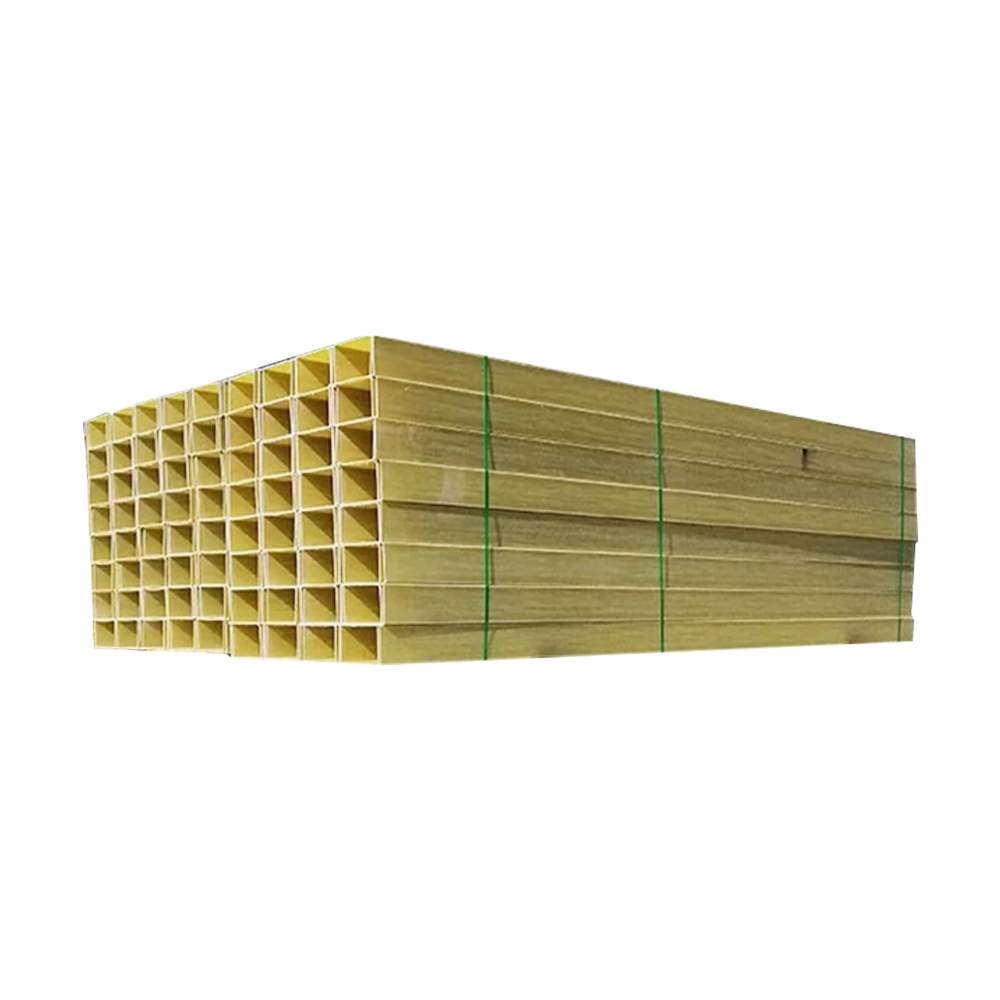
Polyurethane Cable Tray / PU Composite Cable Tray
Learn More
-
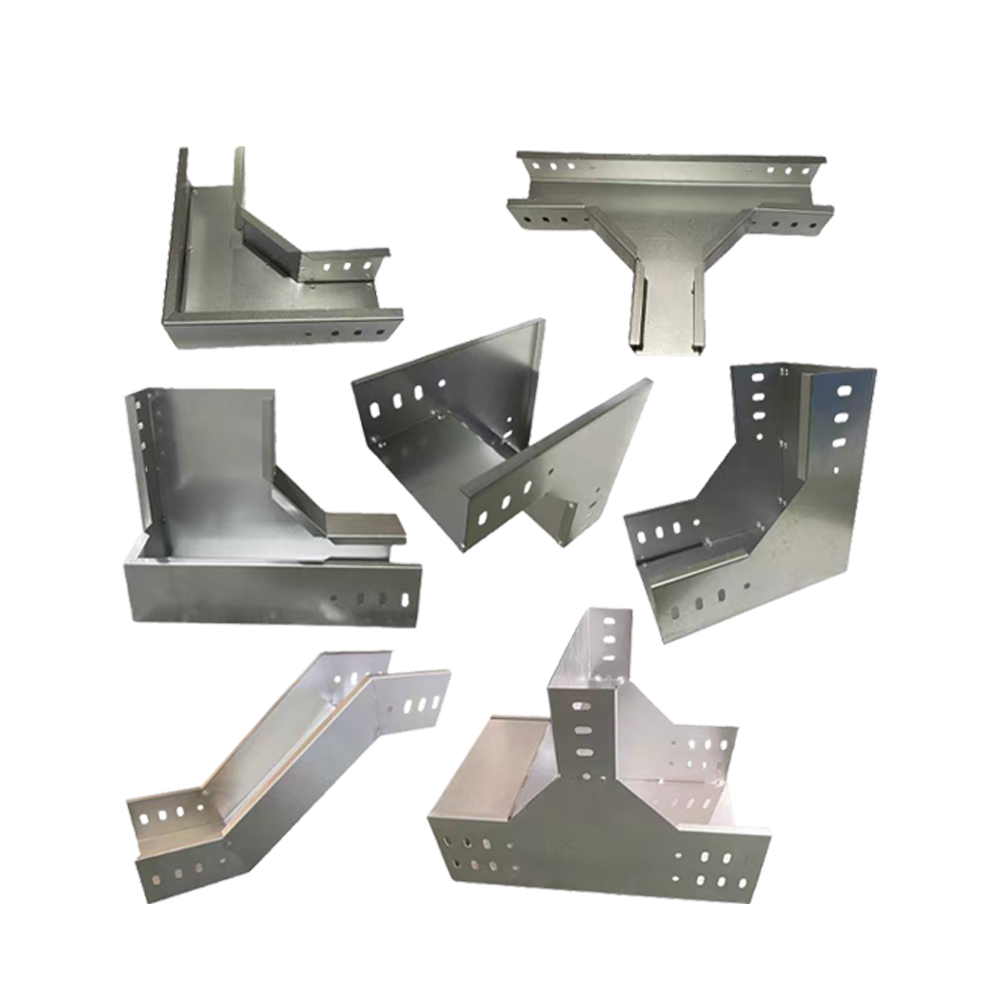
Custom OEM Cable Tray Directional Fittings Manufacturer
Learn More
-
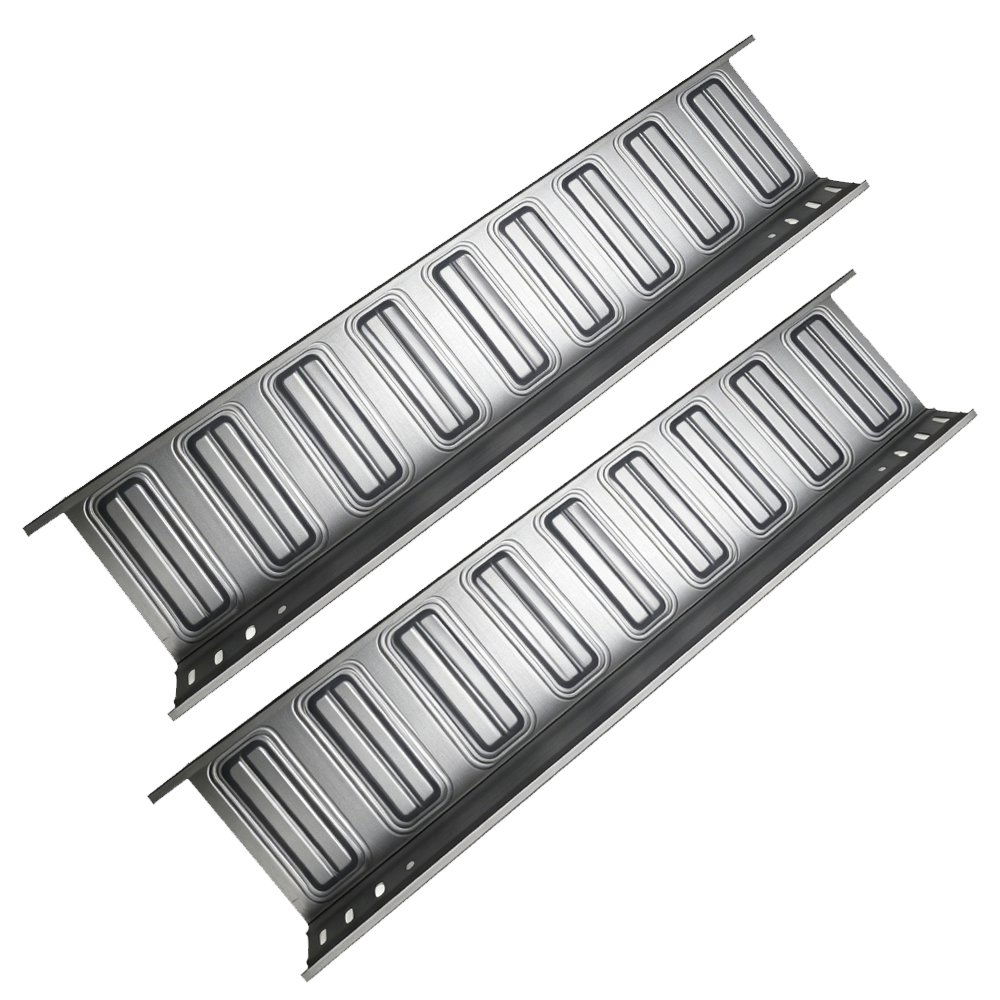
Energy-Saving Corrugated Solid bottom Closed Cable Tray
Learn More
-
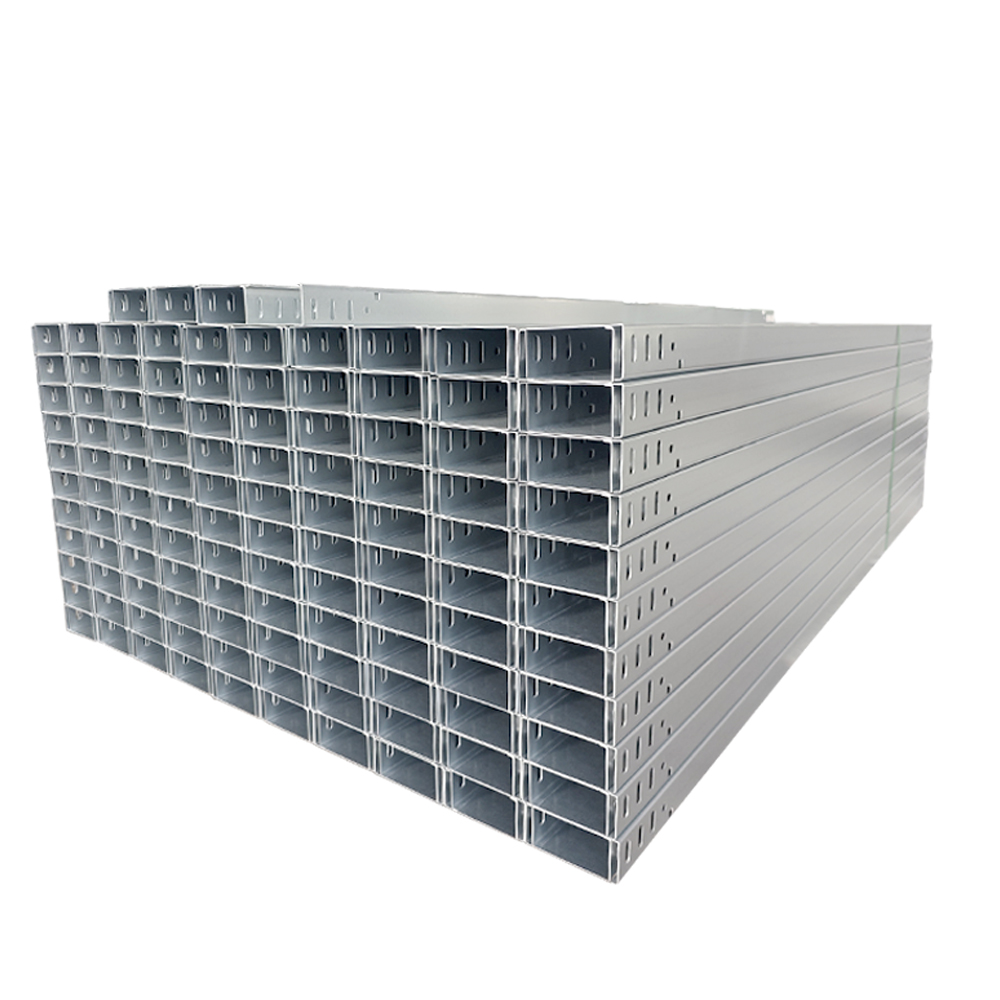
Double Hot-Dip Galvanized Double HDG Cable Tray Fittings
Learn More